

The sheet gallery
Ten prayer-mode line-art sheets
Adult preview recommended. The scenes hold praise, thanks, asking, lament, intercession, listening, wisdom, repair, creation care, and the Lord's Prayer without requiring folded hands, closed eyes, a spoken request, or a finished picture. References, paraphrases, prompts, and descriptions stay in live HTML and PDF text.
Sheet 01 of 10
Praise with a whole heart
Psalm 100
Give thanks and praise God with gladness, while making room for a real range of feelings.
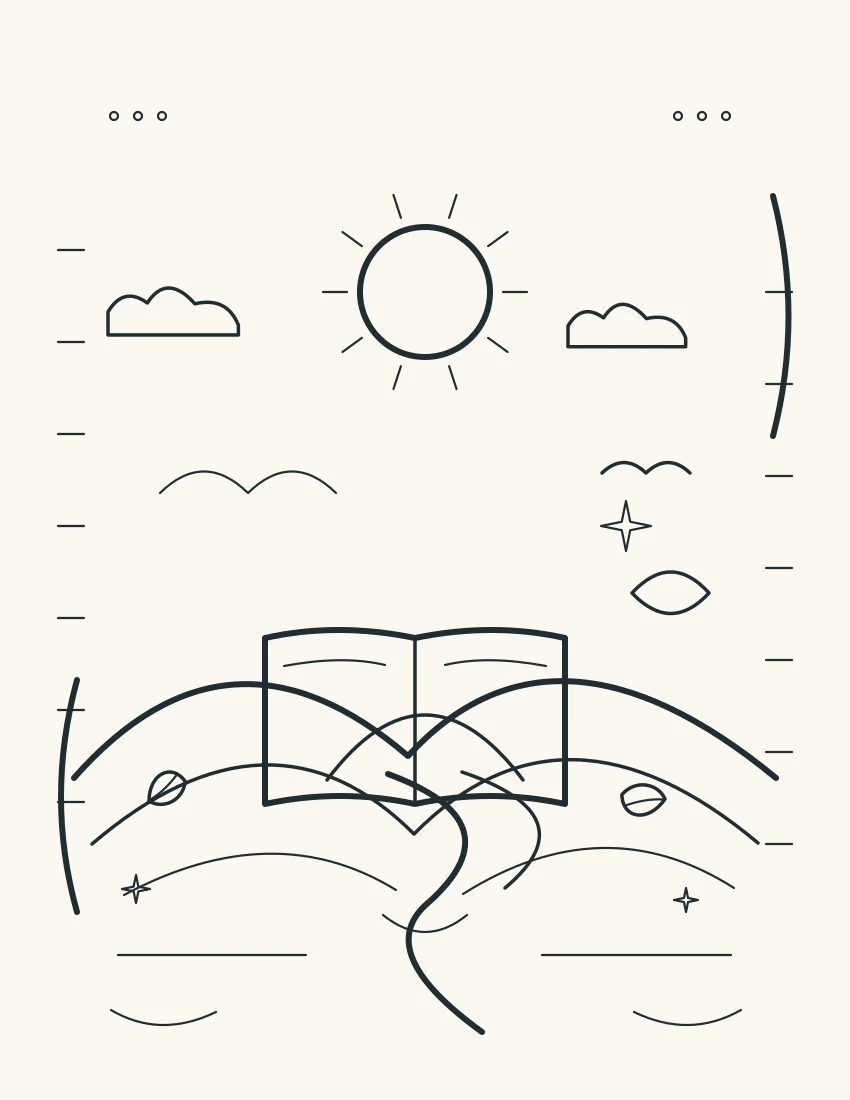
Scene: A hillside, open wordless songbook, sun, and music notes create an uncluttered praise setting. Context: Psalm 100 is a communal song of thanksgiving and does not require a person to perform happiness.
Reflect: An adult may read the psalm, hum, point, use AAC, draw, listen, or pass. Keep praise invitational rather than demanding a response.
Optional question: What kind of praise feels possible today: words, music, drawing, listening, or quiet?
Sheet 02 of 10
Thankful in every season
1 Thessalonians 5:16-18
Keep praying and look for gratitude without pretending a hard season is good or deserved.
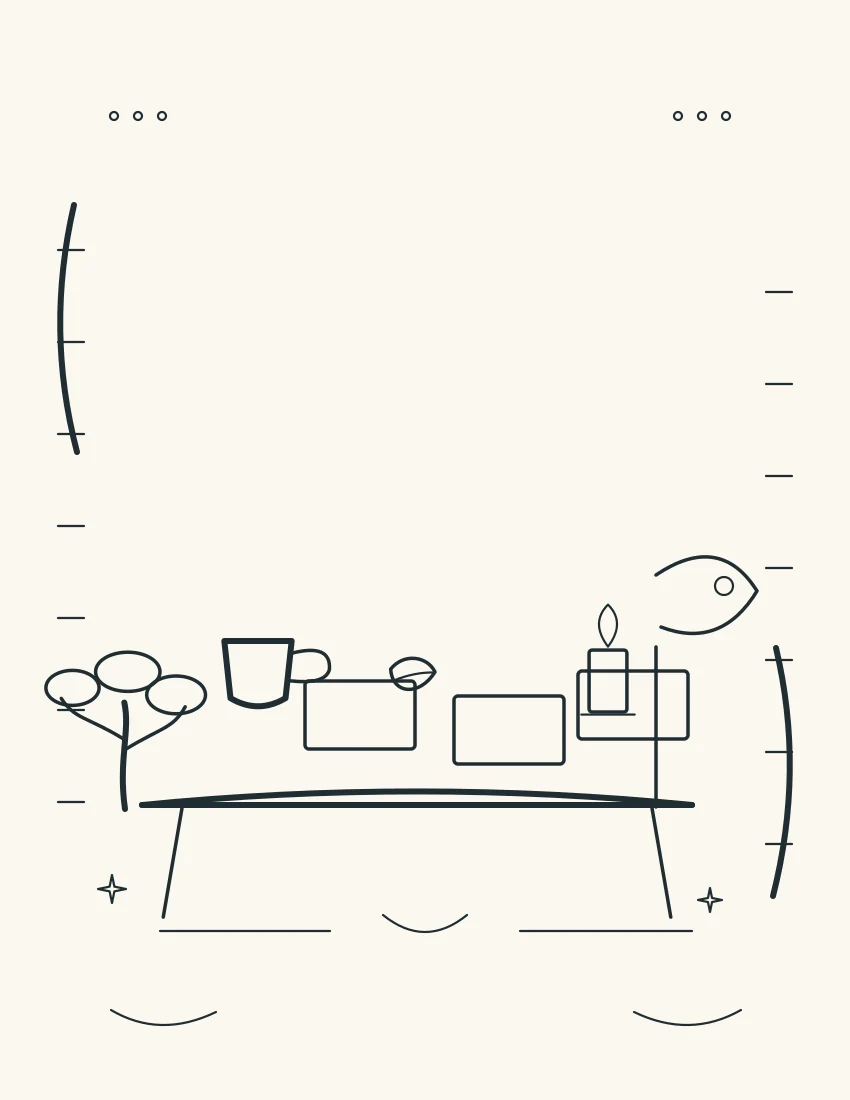
Scene: A table, warm mug, leaf, candle, and blank cards leave space for different kinds of response. Context: Paul calls the church to rejoice, pray, and give thanks within ordinary communal life.
Reflect: Invite one safe noticing, or offer listening and a pass. Gratitude can sit beside sadness, anger, uncertainty, and a need for practical care.
Optional question: What is one small thing you can notice without forcing yourself to feel cheerful?

Sheet 03 of 10
Ask and give thanks
Philippians 4:6
Bring requests to God with honest thanks, while trusted adults also help with concrete needs.
Scene: Open hands, plain bowl, star, and wordless note card make room for asking and thanking. Context: Philippians joins prayer, petition, and thanksgiving; it does not promise that every request receives the hoped-for answer.
Reflect: An adult can name a practical next step, read the verse, and offer speech, writing, drawing, AAC, silence, or a pass.
Optional question: Is there something to ask for, something to thank God for, or both?
Sheet 04 of 10
When waiting feels hard
Psalm 13
A prayer can ask how long and still keep turning toward God when waiting hurts.
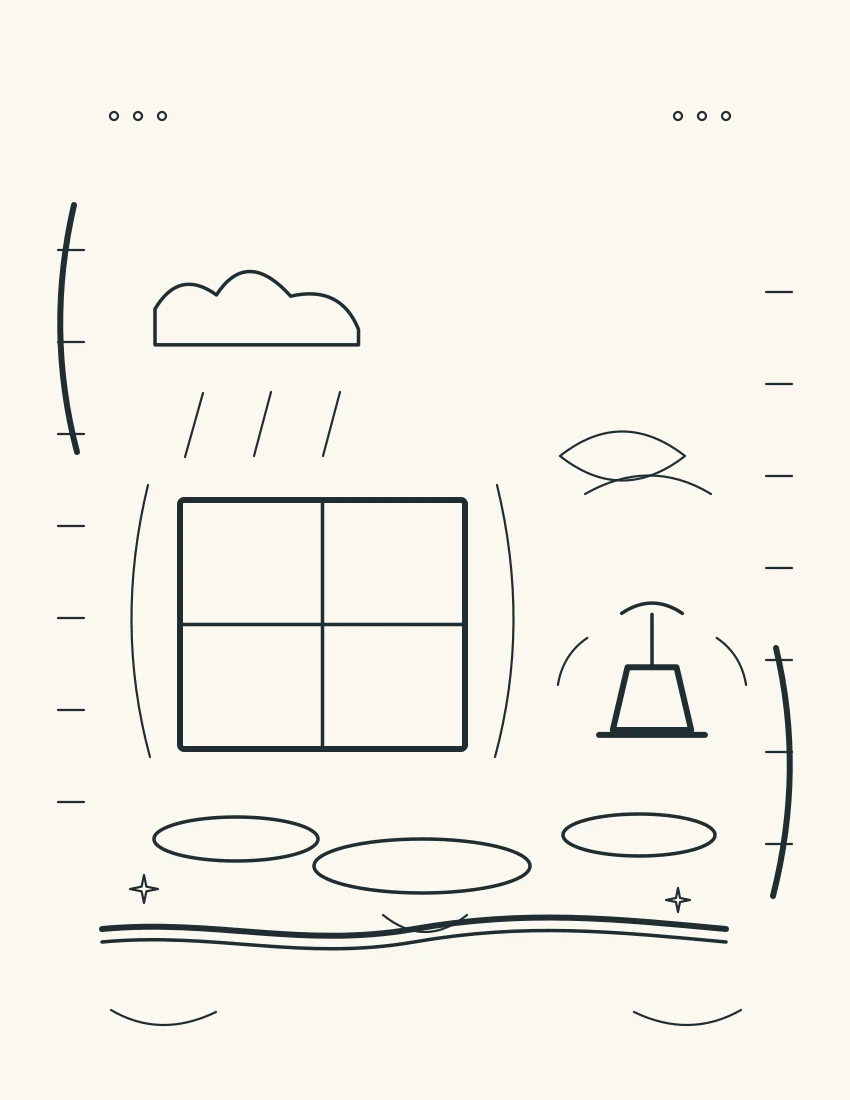
Scene: Rain cloud, window, puddles, and a steady lamp hold lament without a quick answer. Context: Psalm 13 moves through complaint, request, and trust; it gives permission for honest prayer.
Reflect: Read the psalm slowly and let silence, tears, movement, drawing, or a pass be enough. Seek practical support when a concern affects safety or daily life.
Optional question: What would you want a trusted adult to understand while you wait?
Sheet 05 of 10
Pray for neighbors
1 Timothy 2:1
Offer prayers for other people and leaders, while respecting privacy and choosing safe, specific care.
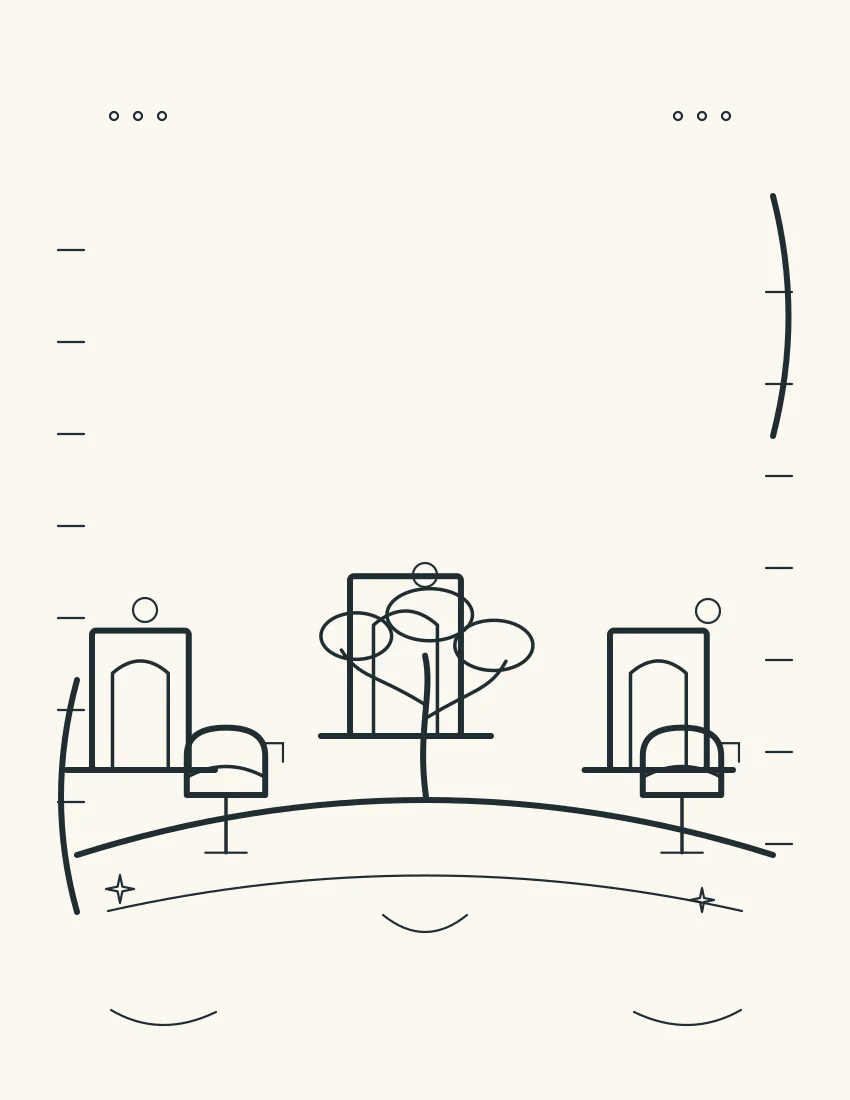
Scene: Three varied homes, a path, tree, and open mailbox show a neighborhood without names or identifying details. Context: 1 Timothy asks the church to make prayers and intercessions for all people.
Reflect: An adult can choose a broad group, such as neighbors or helpers, without collecting a child's private information or asking for disclosure.
Optional question: Who could receive a quiet prayer or a safe act of care today?
Sheet 06 of 10
Watch and wait
Habakkuk 2:1
A watchful prayer can wait for understanding without forcing an answer or ignoring a present need.
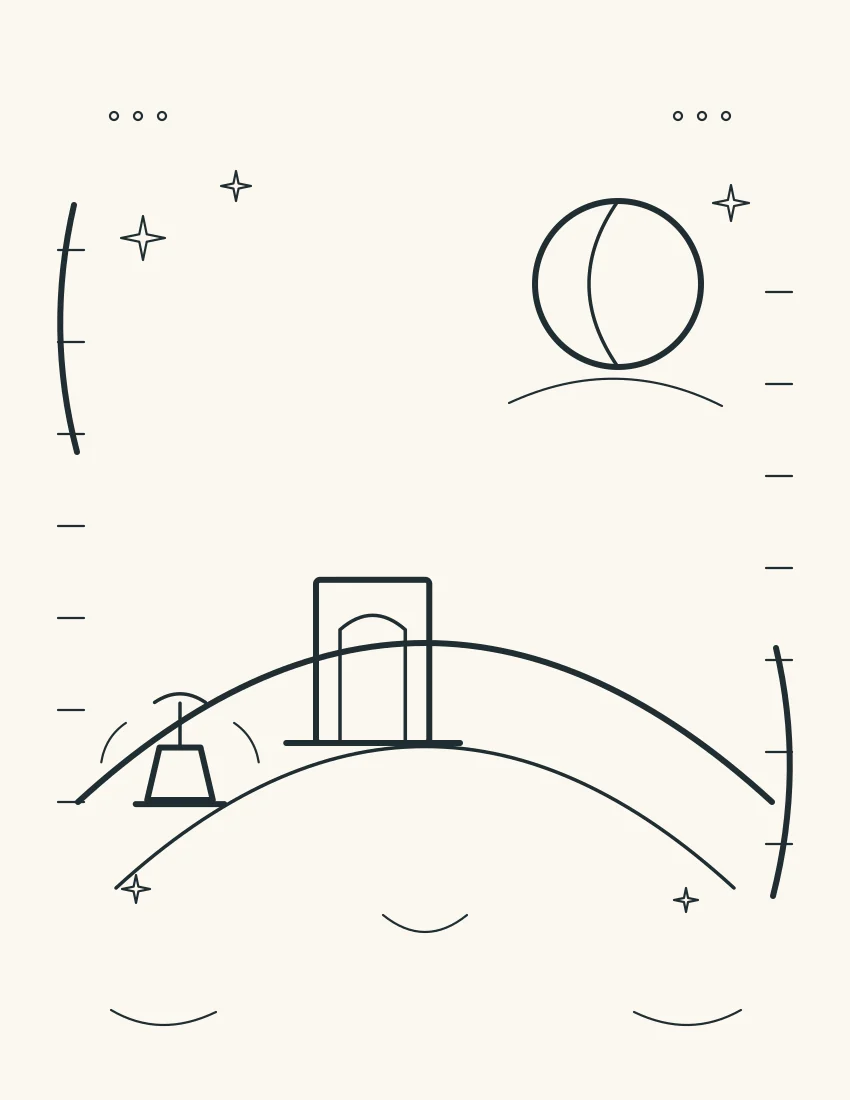
Scene: Lookout hill, open doorway, moon, and lantern create a patient waiting image. Context: Habakkuk describes a prophet standing watch and listening for a word amid public injustice.
Reflect: Offer a short pause, a read-aloud, or a moving and drawing route. Waiting in prayer never replaces seeking help for an urgent concern.
Optional question: What would help you wait for wisdom while still receiving support now?
Sheet 07 of 10
Wisdom for a hard question
James 1:5
Ask God for wisdom and ask knowledgeable, trustworthy people for help with a difficult question.
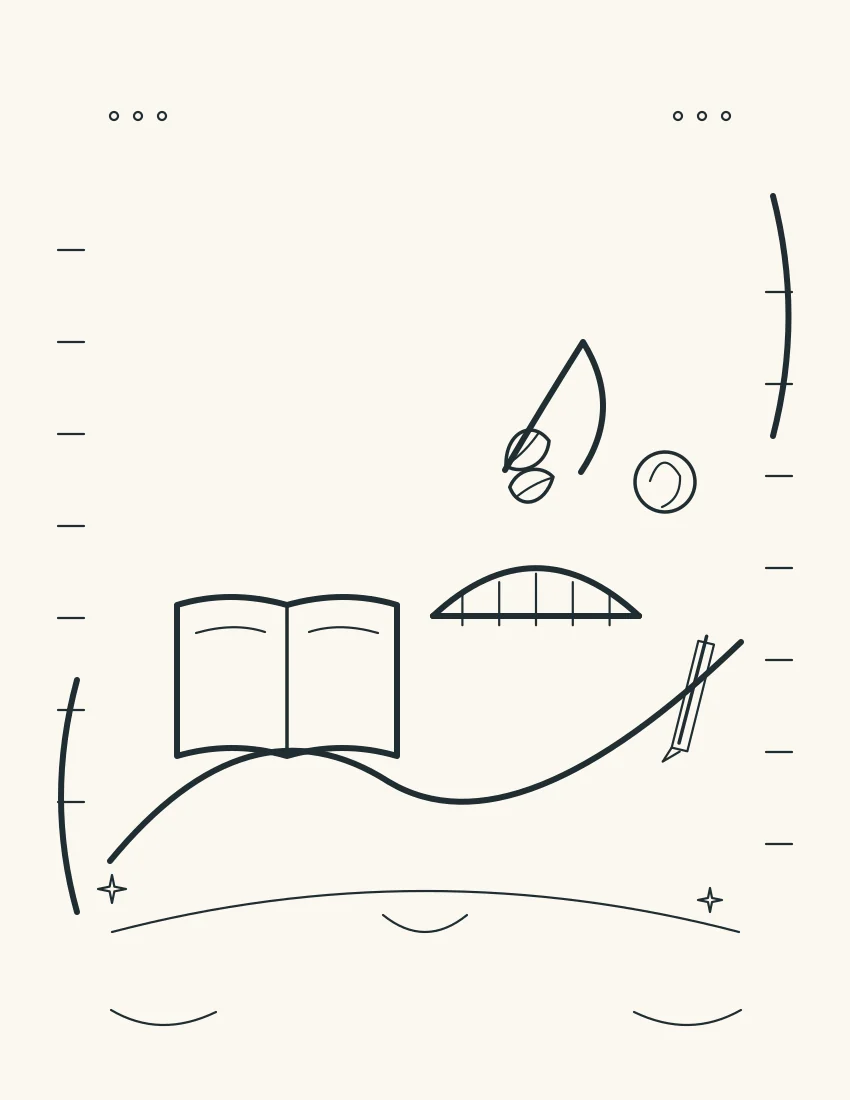
Scene: Leafy question mark, open book, pencil, and bridge point toward help without writing a fixed answer. Context: James commends asking for wisdom amid testing and responsible action.
Reflect: Invite a spoken question, pointing, AAC, drawing, listening, or a pass. Keep the adult responsible for checking facts and safety.
Optional question: What question could you bring to God and a trustworthy adult?
Sheet 08 of 10
Mercy and repair
Ephesians 4:32
Practice kindness and forgiveness with wise boundaries; repair does not require unsafe contact or instant trust.
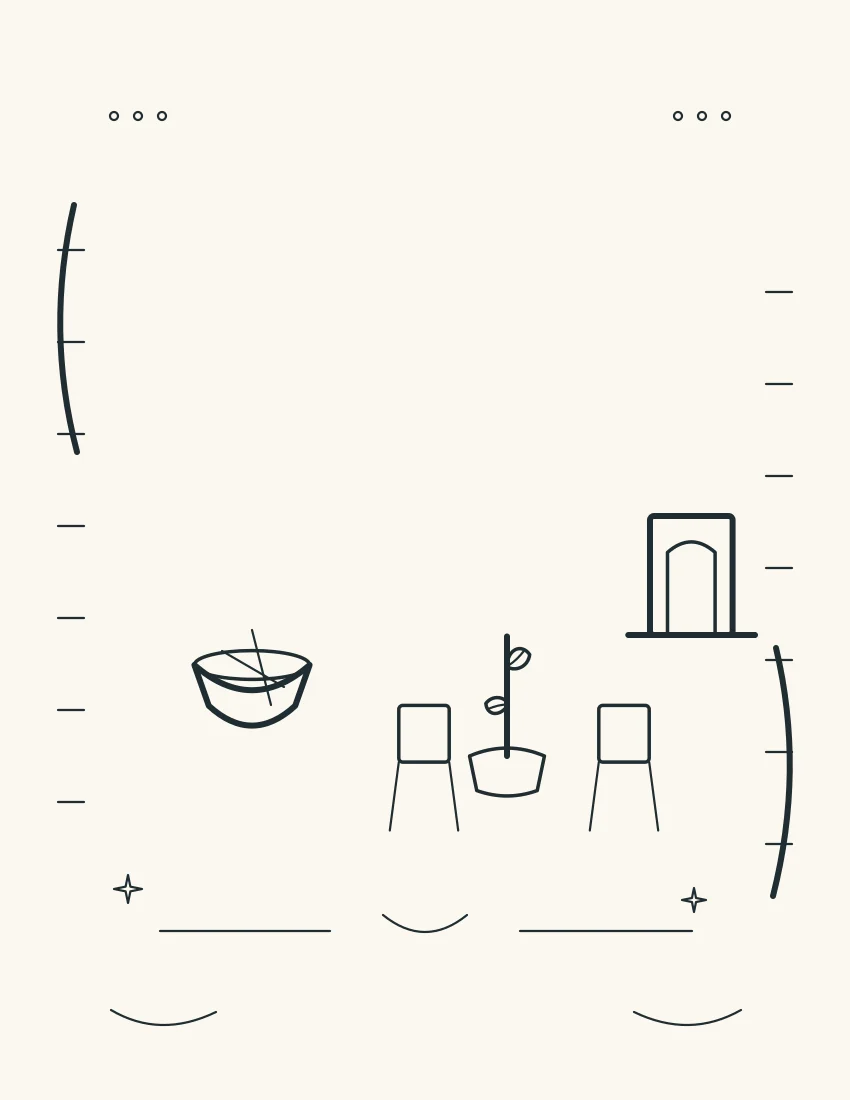
Scene: Mended bowl, separate chairs, plant, and open doorway show repair with space. Context: Ephesians calls the church to kindness and forgiveness while its wider letter addresses truthful, communal living.
Reflect: An adult can model an apology, boundary, or safe repair step. Do not require contact, disclosure, or reconciliation where harm or danger is present.
Optional question: What kind boundary or repair step would be safe and honest?
Sheet 09 of 10
Tend the garden
Genesis 2:15; Matthew 22:39
Care for the place we share and love neighbors through small, safe acts of attention.
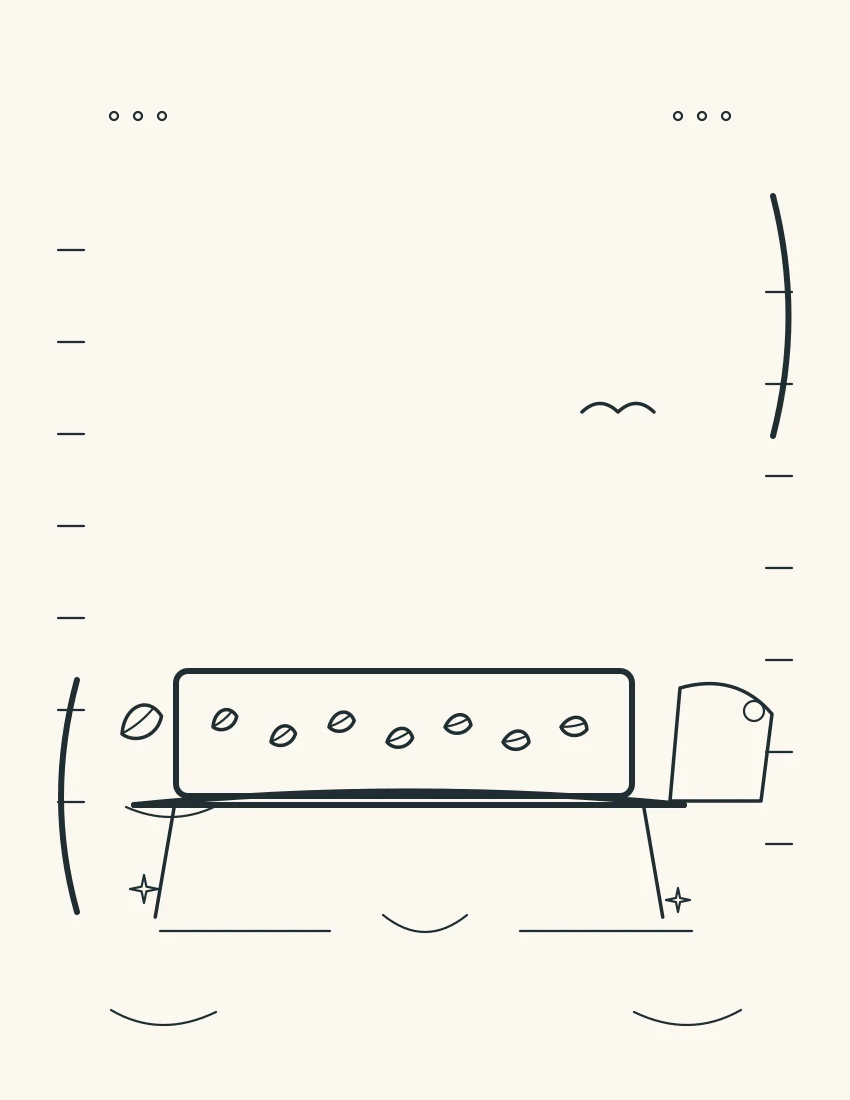
Scene: Garden bed, watering can, bird, and compost leaves connect care for creation with care for people. Context: Genesis 2:15 describes tending a garden, while Jesus names love of neighbor as a central command.
Reflect: Choose a manageable act, such as watering a plant with an adult or leaving a kind note. Participation can be watching, drawing, or passing.
Optional question: What small act could care for a shared place or a neighbor?
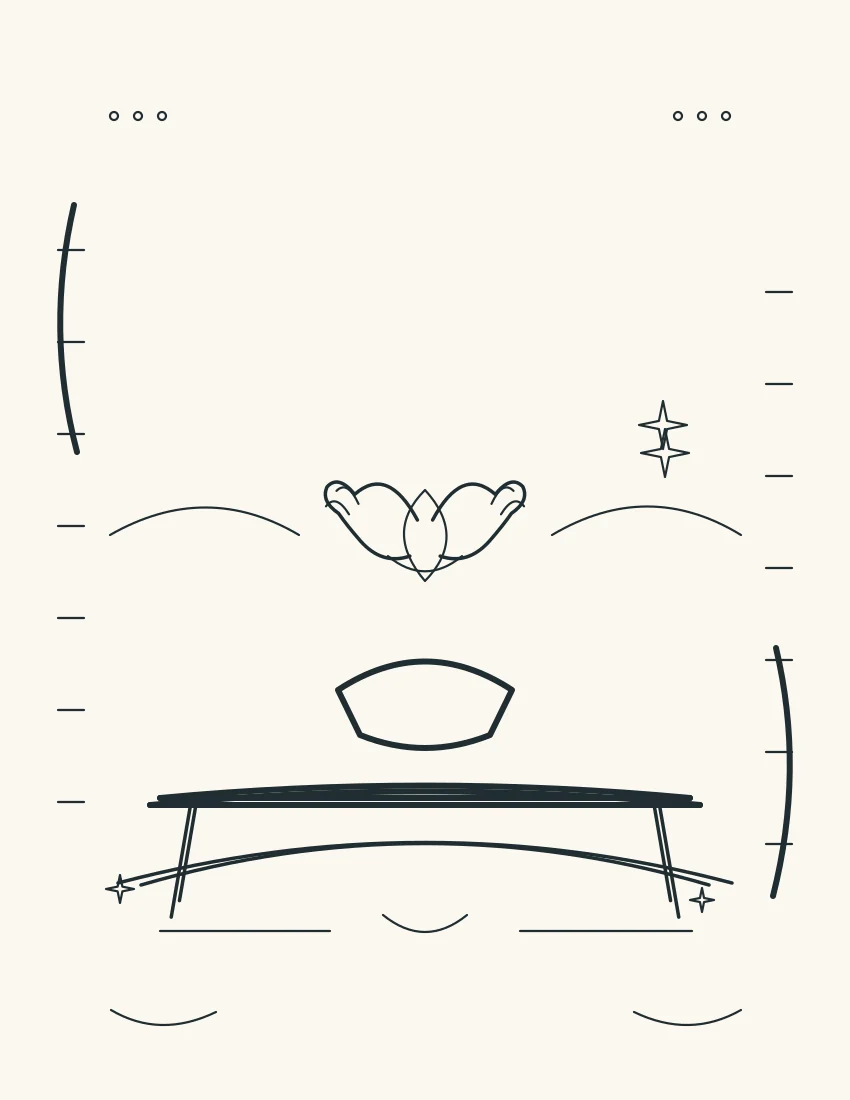
Sheet 10 of 10
The prayer Jesus taught
Matthew 6:9-13
Jesus teaches a prayer for God's name, daily provision, forgiveness, guidance, and rescue from harm.
Scene: Open hands, table, daily loaf, path, and star frame a blank center for live text. Context: Jesus gives this prayer within teaching about public religious performance and trust in God's care.
Reflect: Read one line at a time in live HTML text. A person may speak, point, use AAC, listen, move, draw, or pass without reciting the whole prayer.
Optional question: Which line of the prayer would you like to hear, notice, or leave open today?
Collection download
The complete collection PDF is available alongside this gallery. Each sheet above also has its own noindex PDF attachment.
References, paraphrases, and reflections stay below the image so the artwork never carries essential instructions or Scripture text.
Choose a prayer mode
Section 01
Ask whether praise, thanks, asking, lament, care, listening, wisdom, repair, creation care, or the shared prayer feels possible. An adult may offer two symbols, choose a sheet, or leave the choice open. No one has to explain a personal prayer request.
A sheet is a visual starting point, not a measure of how long someone sits or how well they color. A person may use the picture, the reference, the prompt, or none of them.
Read the reference in context
Section 02
Use the short original paraphrase as a bridge to the wider Bible passage. Lament can include a real question such as how long. Intercession can use a broad group. Forgiveness can include boundaries and adult help rather than a demand for instant trust.
The World English Bible is available when an adult wants an exact public-domain reading. Essential words remain live text beneath the art, so the drawing never carries the whole teaching or a hidden message.
Offer varied response routes
Section 03
Coloring is optional. Tracing, drawing, pointing, AAC, humming, movement, listening, a keyboard, a verbal description, or passing can all be the response. Keep eyes open or closed according to comfort, without prescribing either choice.
For ER or IR readers, invite a short reference or a private note. For a CL participant, read aloud and offer one concrete symbol. For a group, provide an individual copy and a quiet place to decline.
Keep groups safe
Section 04
Discuss the reference in general terms and offer a private opt-out. Do not ask anyone to identify a person represented by a house, explain a prayer picture, or display a finished page. A leader follows the host safeguarding policy when a concern is raised.
If a picture brings up grief, fear, abuse, self-harm, or immediate danger, stop the activity, listen, and contact the right trusted adult, safeguarding lead, qualified professional, or emergency service. Prayer can accompany care but cannot replace it.
Print and review the art
Section 05
The artifact has one cover, ten original, low-ink sheets, and a Sources and rights page, with each sheet available as a direct noindex attachment. Check thick-crayon spaces, black-and-white output, large-print text, tags, reading order, margins, and the adult prompt as part of the collection review.
The deterministic vector sheets use homes, hands, bodies, symbols, and religious references without text embedded in the art. Font, source, artist, reviewer, and export records stay with the collection.
Care boundary
The first two lines are words you can say. The third is your own next step.
Stop · words to say
You do not have to keep going. We can put the sheet down, move, get water, or sit with a trusted adult.
Adapt · words to say
You can listen while I read, trace, draw, use AAC, move, keep your eyes open, pause, or pass.
Get help · your next step
If a picture raises immediate danger, abuse, self-harm, or serious risk, contact the safeguarding lead and local emergency or qualified professional support.
Do not
Do not require folded hands, closed eyes, a spoken request, a finished page, or a private disclosure.
Sources
| Publisher | What it supports | Checked |
|---|---|---|
| World English Bibleebible.org | Reference-first Scripture wording and public-domain rights. | 2026-08-03 |
| CAST UDL Guidelines 3.0udlguidelines.cast.org | Multiple ways to engage, communicate, move, and respond. | 2026-08-03 |
| W3C WCAG 2.2w3.org | Text alternatives, contrast, keyboard access, and readable structure. | 2026-08-03 |
| W3C PDF accessibility resourcesw3.org | Tagged text, reading order, and accessible PDF documents. | 2026-08-03 |
| UNICEF safeguarding policyunicef.org | Adult safeguarding, referral, and response boundaries. | 2026-08-03 |
Frequently asked questions
- Do these pages require folded hands or closed eyes?
- No. The collection intentionally shows varied prayer modes without prescribing a posture. A person may keep eyes open, move, listen, use AAC, draw, hum, or pass, and an adult can read the reference without asking for a spoken response.
- Is the Lord's Prayer sheet a full lesson?
- No. It is one overview coloring sheet with a reference and optional prompt. KID-007 owns the line-by-line Lord's Prayer teaching and worksheet, so use that page for detailed instruction rather than repeating it here.
- Can a person use a lament or hard-feeling sheet?
- Yes, with an adult nearby and a clear stop route. Lament is an honest biblical prayer, not a demand to become cheerful. If the picture brings up danger, grief, or a disclosure of harm, stop and follow the household or organisation care and safeguarding pathway.
- Are the art files free and printable?
- Individual sheets use direct, ungated, noindex attachment routes with deterministic-vector source records and structural QA metadata. The HTML previews, descriptions, references, and prompts remain useful without a download or a color printer.
- Can a group use these pages as a behavior reward?
- Do not use coloring as a compliance score or a way to suppress movement or disclosure. Offer it alongside listening, movement, conversation, and practical care, with an individual copy and private opt-out under the host policy.
Sabbath Meditation
Sabbath offers Scripture-rooted meditations for adults; these pages remain complete without an app or account.
Read about Sabbath →