
The sheet gallery
Twelve Bible verse line-art sheets
Adult preview recommended. Each sheet keeps the reference, paraphrase, prompt, and alt text in live HTML and PDF text; the original line art contains no essential words. Coloring, tracing, drawing, listening, adaptive tools, or passing are all valid.
Sheet 01 of 12
Creation called good
Genesis 1:31
God looked at creation and called it very good.
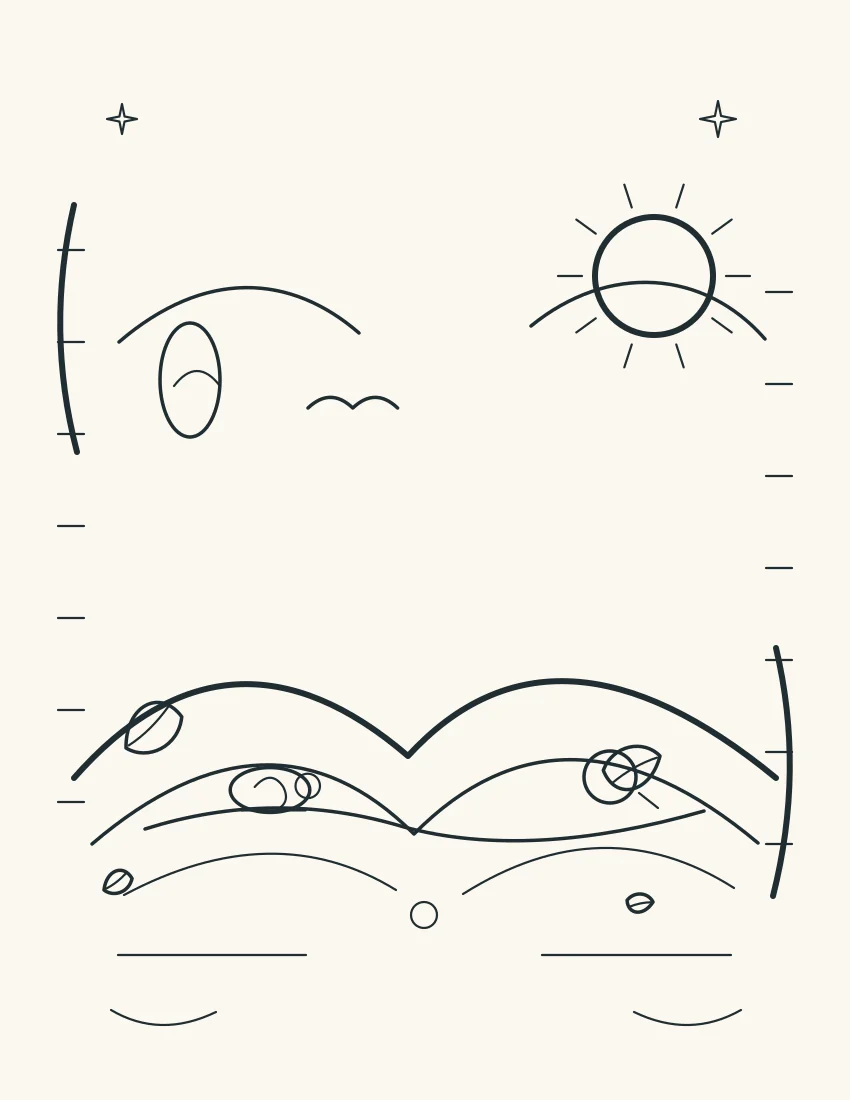
Scene: Leaves, sun, bird, snail, and stream form an open creation still life. Context: Genesis 1 celebrates God's work without claiming every circumstance is easy or fair.
Reflect: Color, trace, listen, or pass while an adult names one part of creation and reads the surrounding passage.
Optional question: What part of the world can you notice without pretending every part is easy or fair?
Sheet 02 of 12
Stars and wonder
Psalm 8:3-4
When we look at the sky, we can wonder about God's care for people.
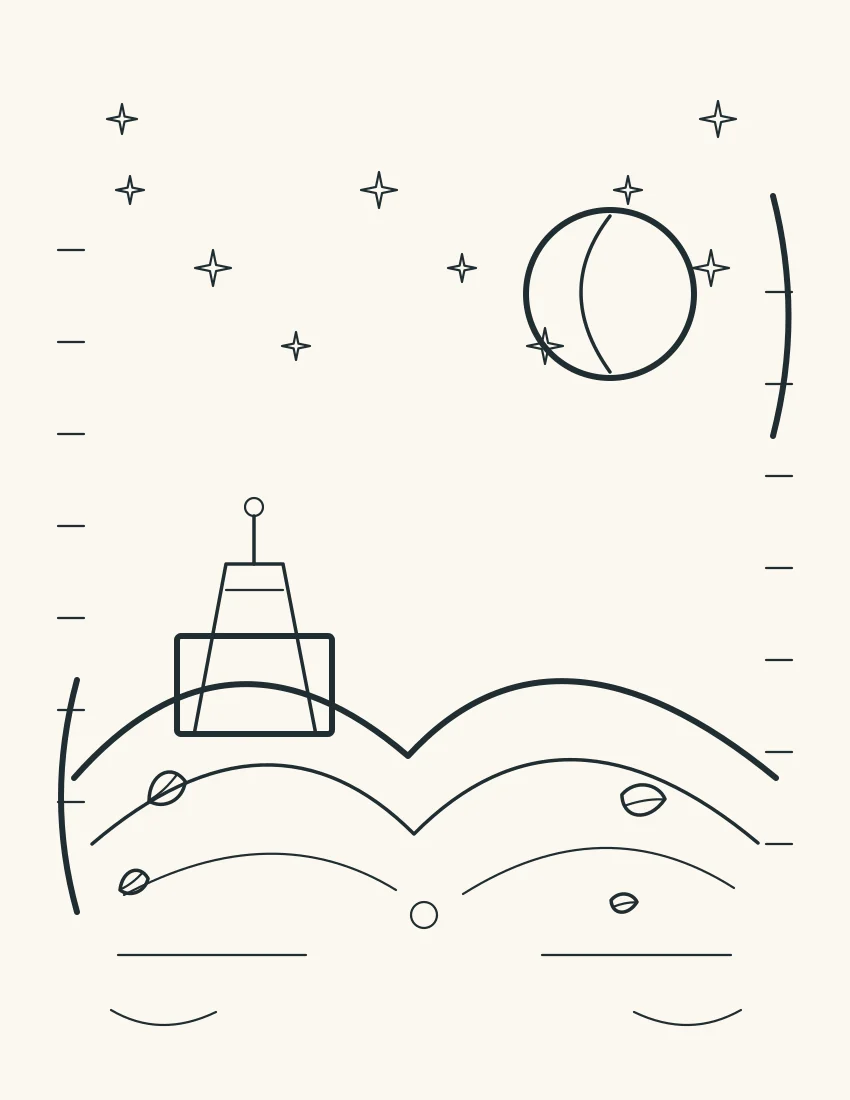
Scene: A moon, scattered stars, low hills, and a small telescope leave generous white space. Context: Psalm 8 moves from the heavens to human dignity before God.
Reflect: An adult can read the psalm, describe the drawing, and offer a question without asking for a private story.
Optional question: What question or wonder would you like to carry to God?
Sheet 03 of 12
The heavens tell
Psalm 19:1
The heavens and skies point beyond themselves to God's glory.
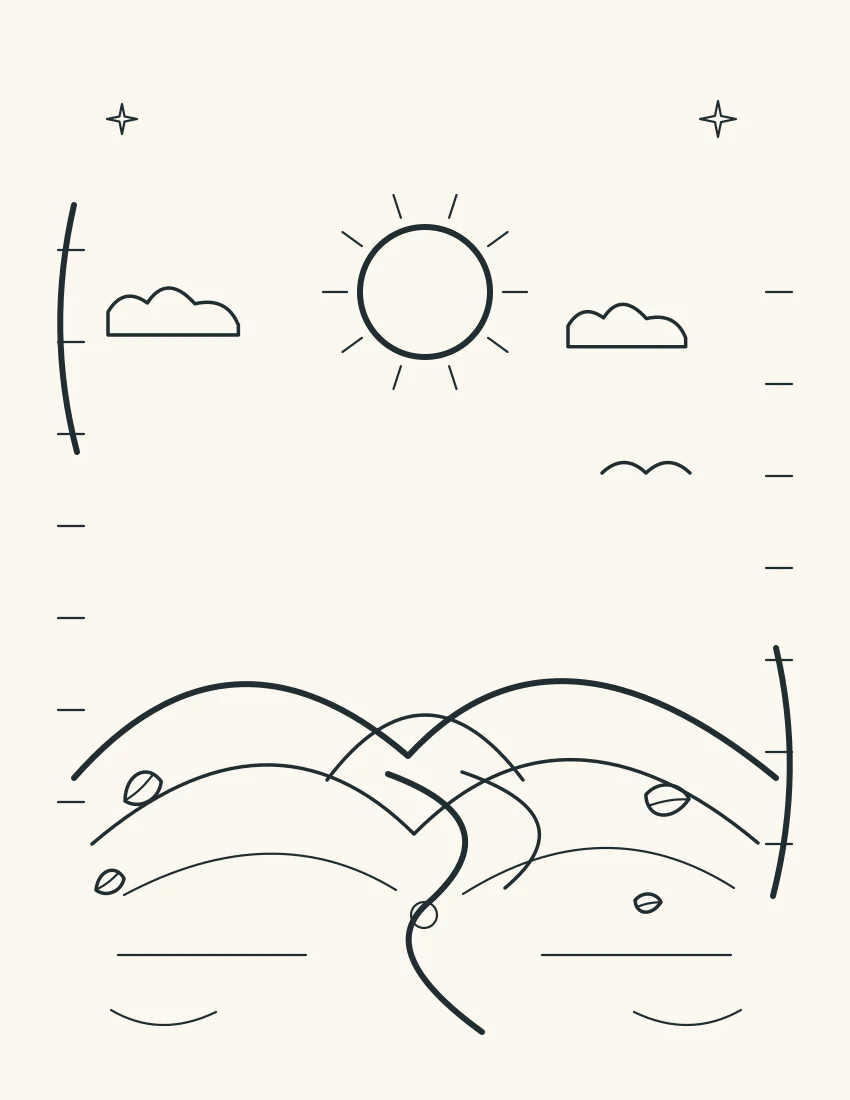
Scene: Sunrise, clouds, hills, and a winding river use broad contours instead of dense detail. Context: Psalm 19 describes creation's witness before it turns to God's instruction.
Reflect: Keep the sky unfilled, trace one contour, or listen while an adult connects the image with the whole psalm.
Optional question: What does the sky invite you to notice today?
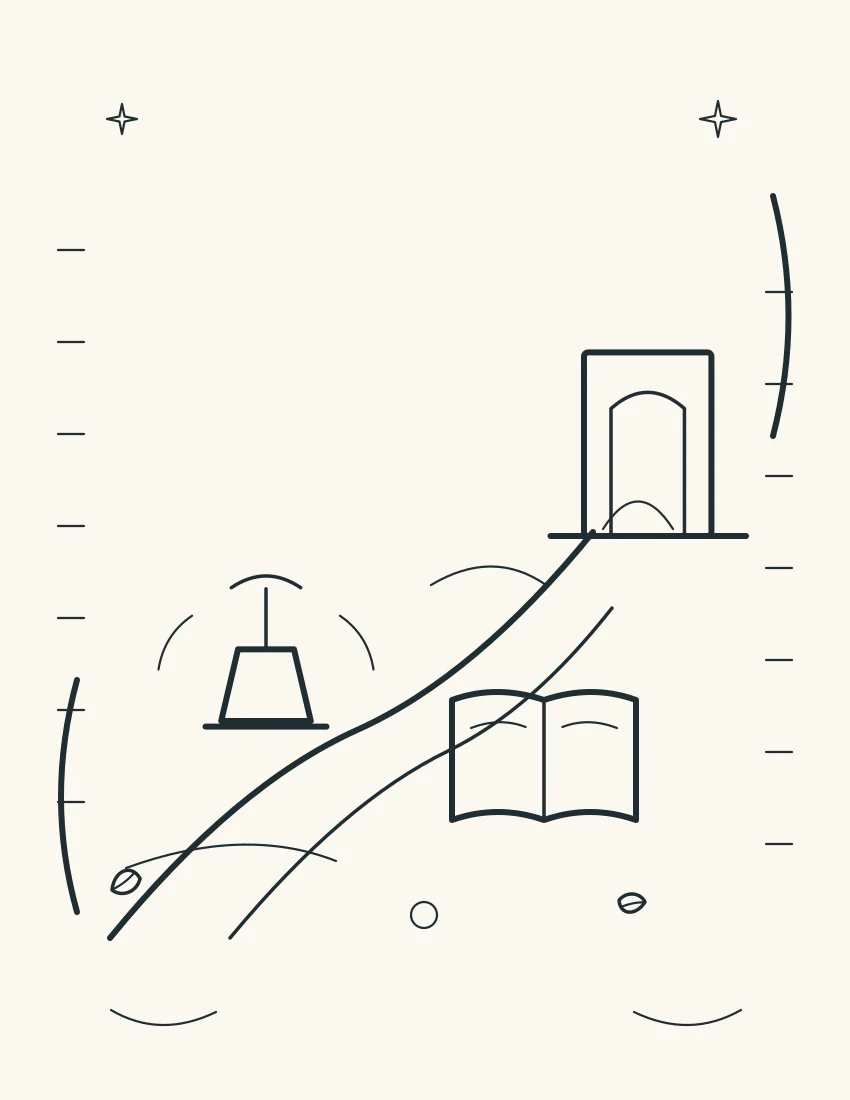
Sheet 04 of 12
A lamp for the path
Psalm 119:105
God's word can be a lamp for the next step.
Scene: A sturdy lamp stands beside a winding path, a doorway, and an open book without words. Context: Psalm 119 treats God's teaching as guidance for faithful living.
Reflect: Read the reference in context, then offer practical help alongside prayer rather than promising a perfect route.
Optional question: What is one next step that needs wise help?
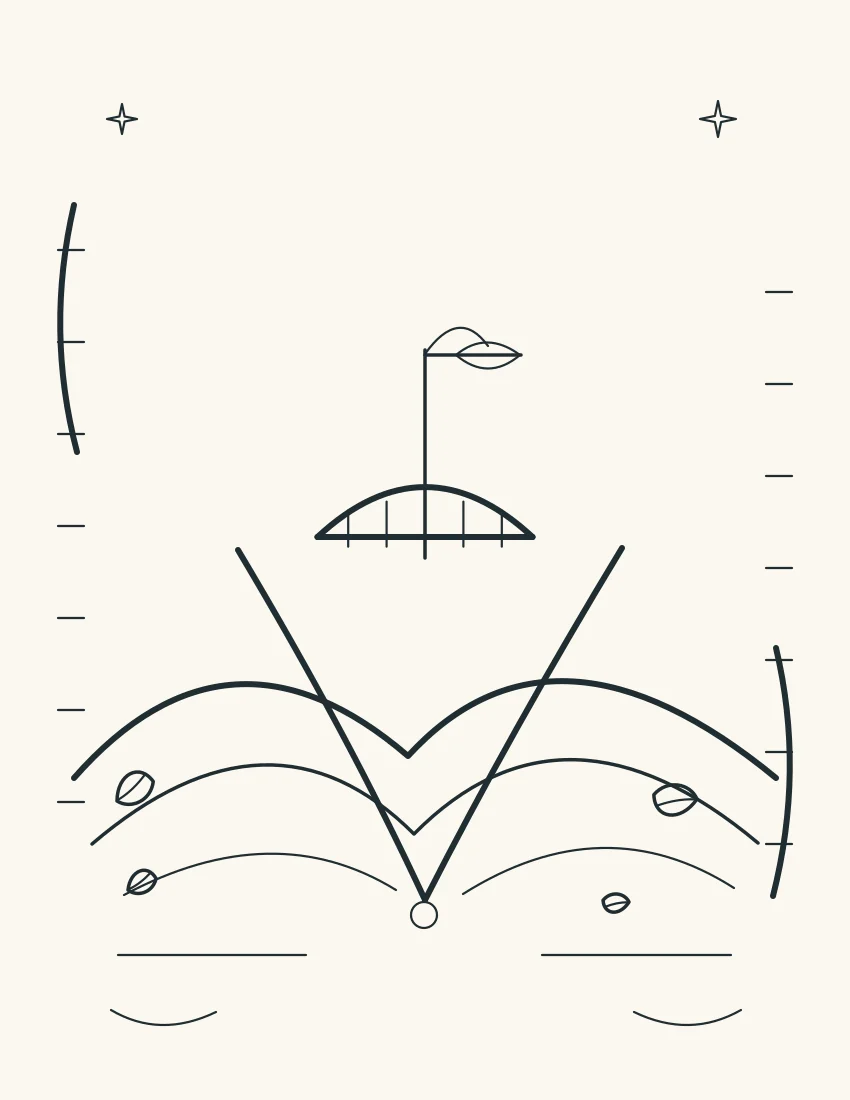
Sheet 05 of 12
Trust and ask
Proverbs 3:5-6
Trust God, seek wisdom, and let your path be guided; do not pretend you know everything alone.
Scene: Two equal paths meet a bridge and plain signpost, with no route marked as guaranteed. Context: Proverbs offers wisdom poetry, not a promise of an easy choice.
Reflect: An adult can name a trustworthy helper and invite drawing, listening, AAC, or a pass instead of a personal disclosure.
Optional question: Who is a trustworthy person to ask when a choice is hard?
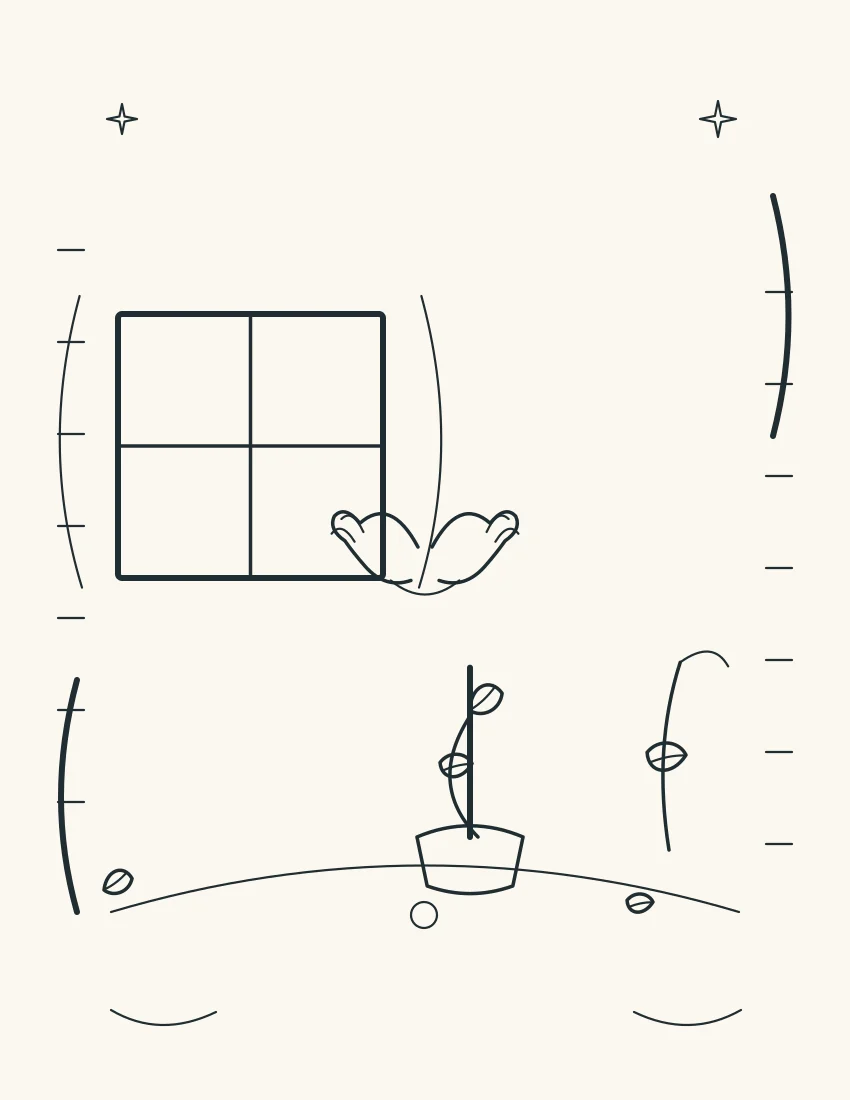
Sheet 06 of 12
Strength and help
Isaiah 41:10
God says do not fear and promises help while people still seek wise support.
Scene: An open window, plant, walking stick, and two abstract hands suggest support without contact. Context: Isaiah speaks comfort to a vulnerable people; it does not replace safety planning.
Reflect: Use a verbal description or one shape if hand imagery is not useful. Keep practical support visible beside the reference.
Optional question: What kind of help can a trusted adult offer today?
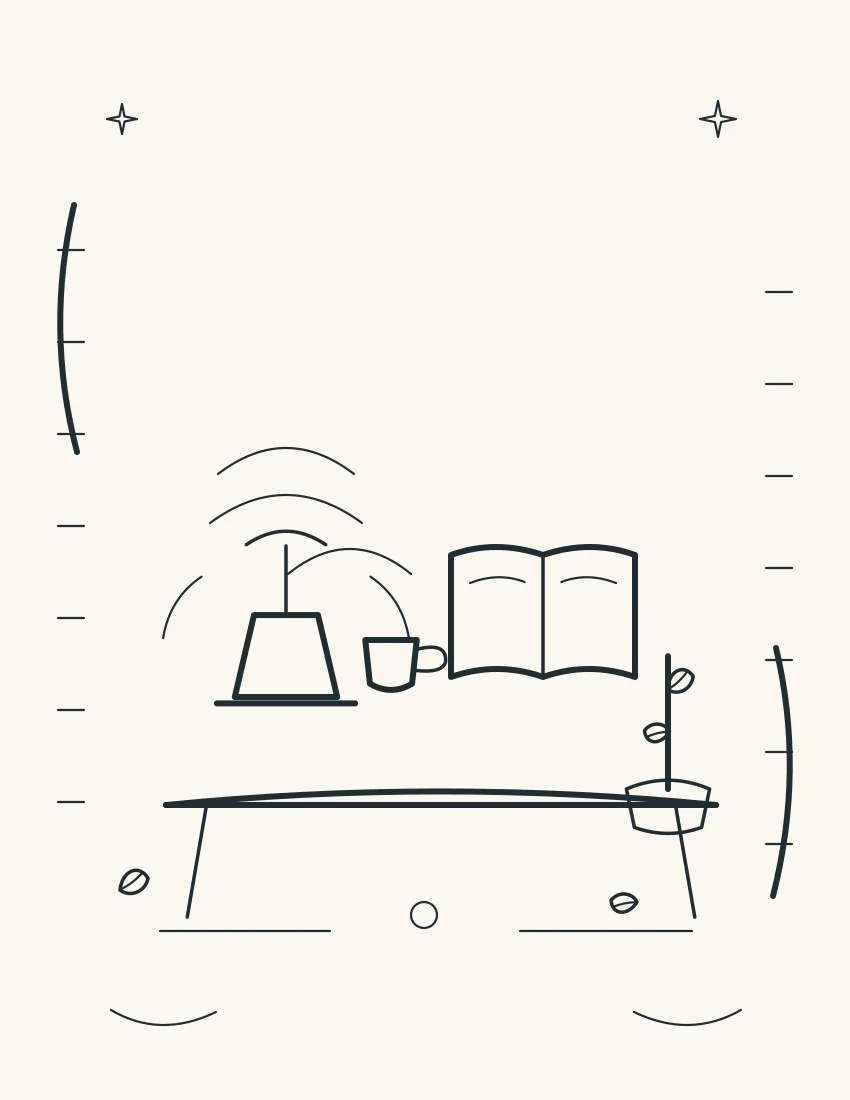
Sheet 07 of 12
A light to share
Matthew 5:14-16
Jesus compares faithful good works to a light that can be seen.
Scene: A lamp lights a small table with a cup, book, and plant. Context: Jesus teaches visible goodness in the Sermon on the Mount, not a demand for performance.
Reflect: An adult can connect one safe kindness with the passage while allowing a child to listen, move, or stop.
Optional question: What small, safe kindness could be visible today?
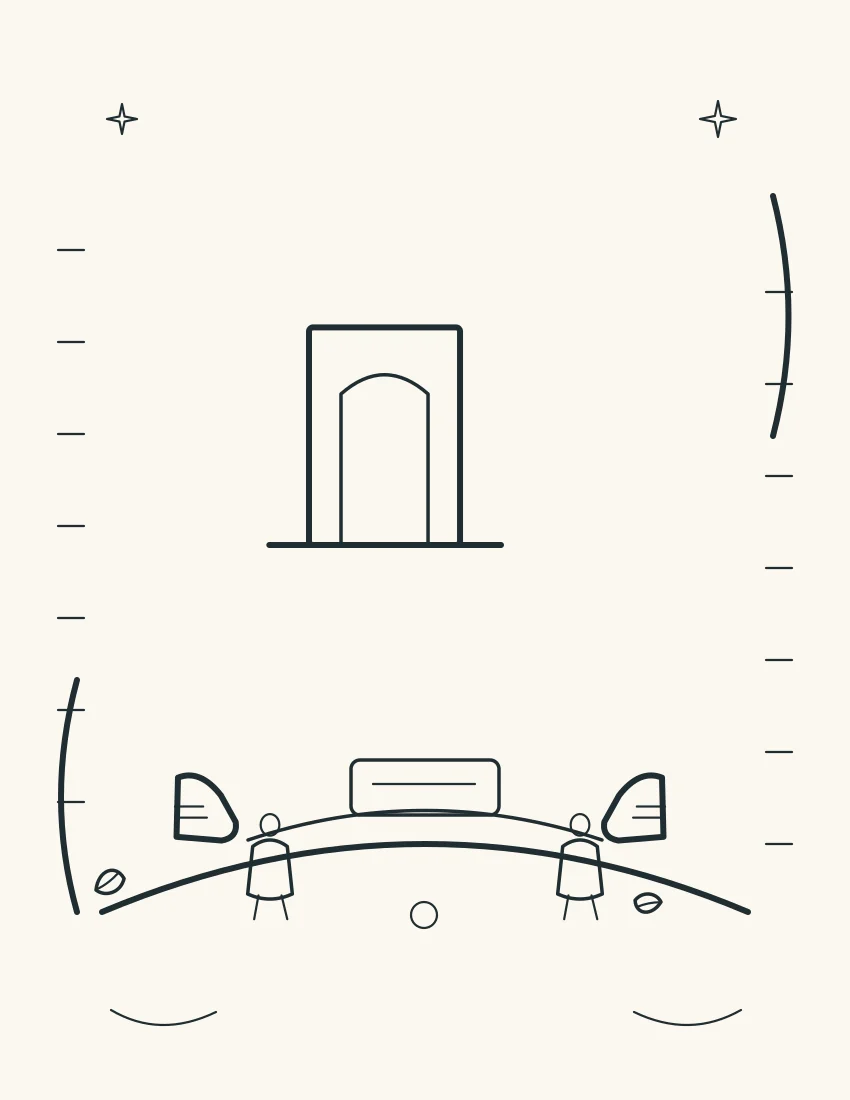
Sheet 08 of 12
Jesus welcomes children
Mark 10:13-16
Jesus welcomed children and made room for them.
Scene: An open doorway, varied shoes, welcome mat, and adult silhouettes show room without singling out a child. Context: Mark presents Jesus receiving children against the disciples' interruption.
Reflect: Offer a pointing or AAC route and discuss welcome without requiring touch, eye contact, or a spoken answer.
Optional question: What helps a place feel welcoming without requiring anyone to speak or touch?
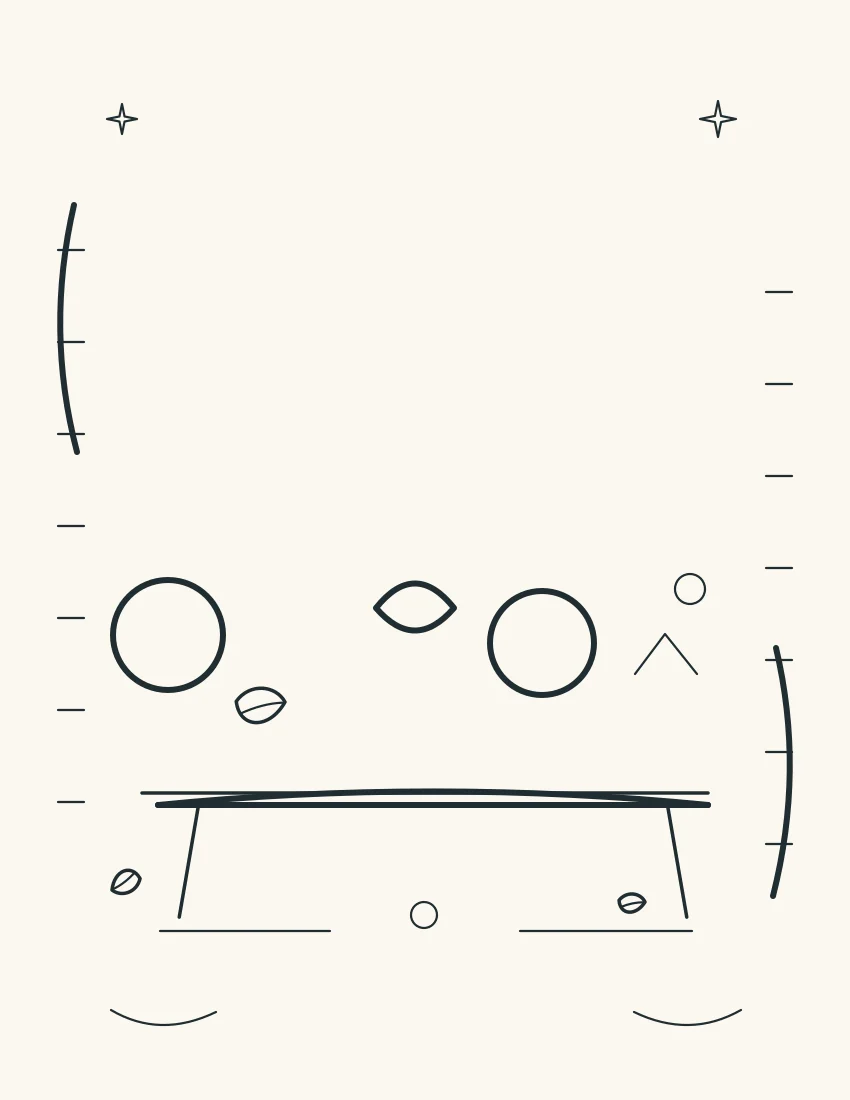
Sheet 09 of 12
Think on what is good
Philippians 4:8
Make room to notice what is true, honorable, right, pure, lovely, and worthy of thanks.
Scene: A note shape, kind-hand symbol, leaf, musical note, and magnifying glass form a wordless table collage. Context: Paul gives a pattern for attention that sits within a letter about faithful life.
Reflect: Read the quality words aloud, name a safe example, and allow a child to choose a symbol or leave it blank.
Optional question: Which quality would you like to notice or practice safely?
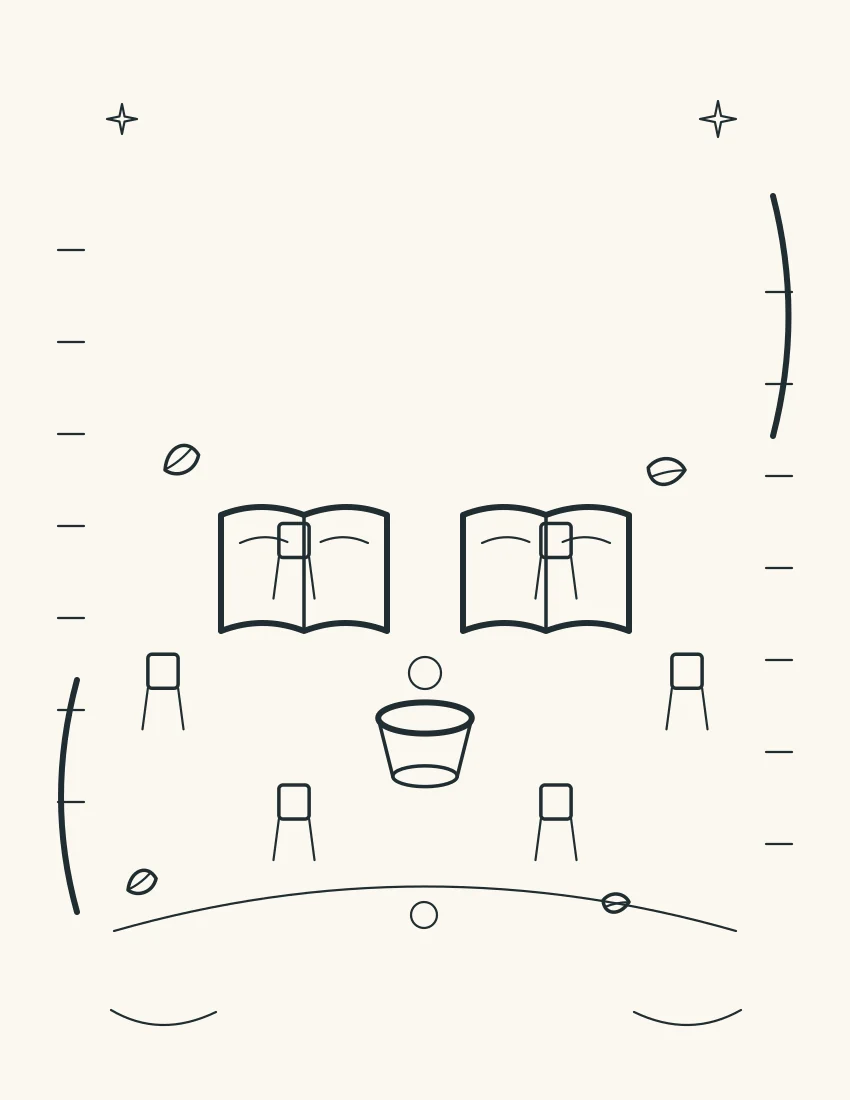
Sheet 10 of 12
Teach and encourage
Colossians 3:16
Let Christ's teaching live among you as you teach, sing, and encourage one another.
Scene: Wordless songbooks, a hand drum, leaves, and a circle of chairs show shared learning without a required posture. Context: Colossians connects teaching, song, gratitude, and community.
Reflect: A group can hum, listen, use AAC, or pass. Keep the reference and its context in live text below the drawing.
Optional question: How could a group share a good word while letting someone listen or pass?
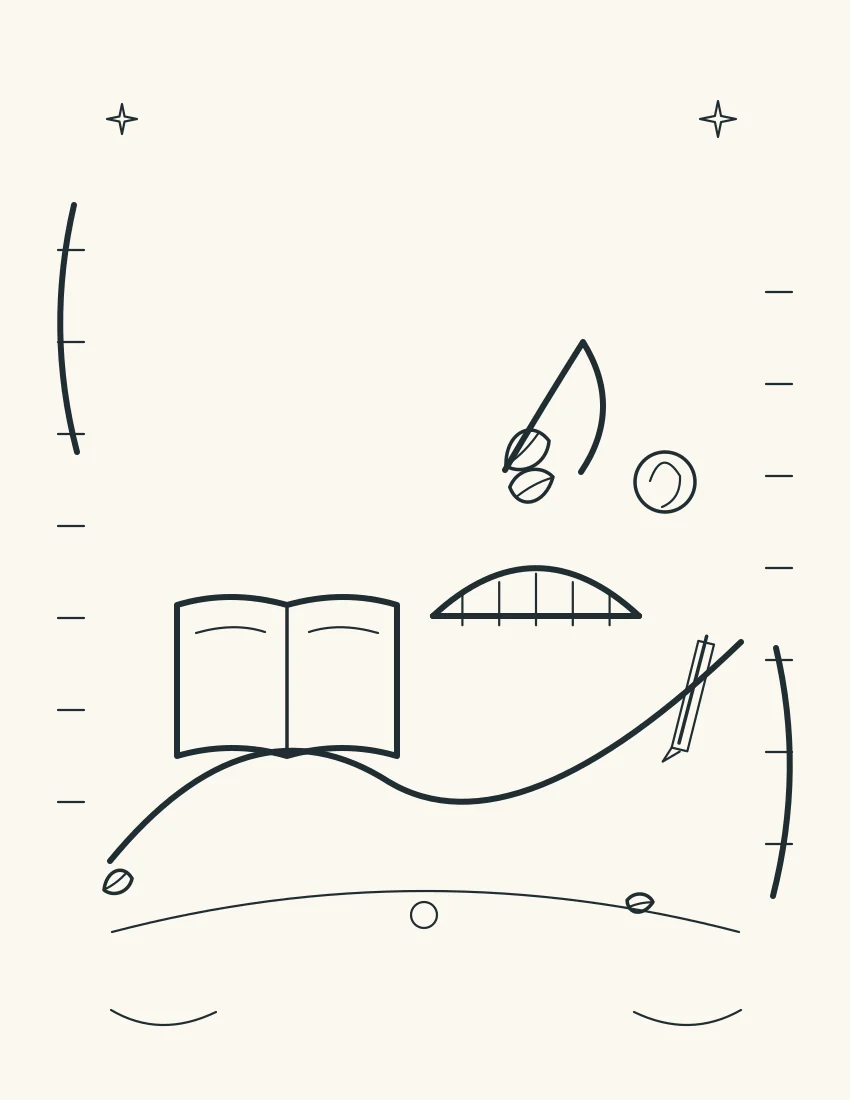
Sheet 11 of 12
Ask for wisdom
James 1:5
When we need wisdom, we can ask God and seek knowledgeable help.
Scene: An open book, leafy question mark, pencil, and bridge point toward help without writing a solution. Context: James commends asking God for wisdom amid testing and action.
Reflect: Name one safe adult who can help with a hard question, without asking a child to share private details.
Optional question: What question could you bring to a trustworthy adult?
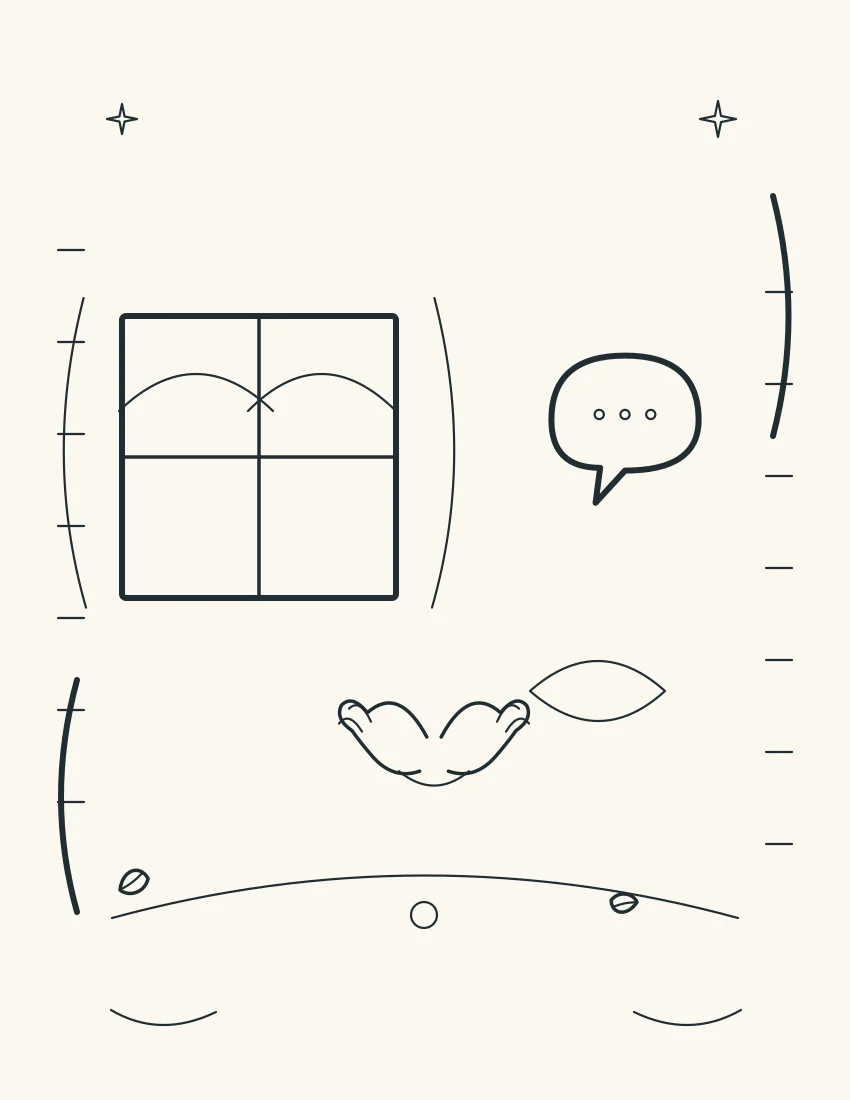
Sheet 12 of 12
Help when words are hard
Romans 8:26
When words are hard, God's Spirit helps; silence and other communication still count.
Scene: An open window, moving curtains, blank speech bubble, and abstract hands avoid a literal message. Context: Romans 8 speaks of help in weakness within hope and suffering.
Reflect: Invite a gesture, symbol, AAC response, or listening route. Do not treat an impression as a private message from God.
Optional question: What helps you communicate when words are not available?
Collection download
The complete collection PDF is available alongside this gallery. Each sheet above also has its own noindex PDF attachment.
References, paraphrases, and reflections stay below the image so the artwork never carries essential instructions or Scripture text.
Start with the reference
Section 01
Read the short Bible reference and original paraphrase before offering a sheet. If useful, open the wider passage in a family Bible or the World English Bible. The drawing is a visual invitation, not a replacement for Scripture or a single correct interpretation.
An adult can ask one optional prompt and accept a word, gesture, drawing, AAC response, listening, or a pass. Keep any personal story private unless a safety pathway requires responsible adult action.
Make one page usable
Section 02
Place one sheet and an accessible tool within reach, then let the participant choose the stopping point. Thick crayons, a grip, a slant board, keyboard entry, verbal description, and a no-art route can all work alongside the same live text.
For a church or classroom, give each person an individual copy and a private way to decline. Discuss the reference in general terms rather than asking anyone to explain a private experience or display a finished page.
Offer more than color
Section 03
Coloring is one choice among tracing a contour, using one color, drawing on the back, pointing to a symbol, dictating a sentence, moving, listening, or leaving the page blank. The adult supplies context and protects agency; neatness is not the goal.
Keep the prompt and description in readable HTML so screen readers, large-print readers, and people who cannot use the art receive the same invitation. No sheet requires a posture, spoken response, or finished product.
Keep art and text honest
Section 04
The collection uses deterministic vector line art with open shapes, high-contrast outlines, and low-ink backgrounds. Essential words stay outside the illustration in a text layer, and each individual file has its own descriptive alt and source record.
Use the World English Bible for a licensed public-domain quotation only when an exact quotation is needed. The short paraphrases here are original. Keep font, source, artist, reviewer, and export records with the production artifact.
Protect the optional nature
Section 05
A neat page is not a faithful page. Some people use one color, scribble, stop halfway, or never pick up a crayon. A drawing may accompany prayer, but it cannot prove prayer, quietness, spiritual performance, or a particular feeling.
If a picture brings up grief, fear, abuse, self-harm, or immediate danger, stop, listen, and follow the household or organisation safeguarding and emergency pathway. Prayer and art can sit beside practical, pastoral, school, or clinical care.
Care boundary
The first two lines are words you can say. The third is your own next step.
Stop · words to say
You do not have to keep going. We can put the sheet down, move, get water, or sit with a trusted adult.
Adapt · words to say
You can listen while I read, trace, draw, use adaptive tools, move, keep your eyes open, use AAC, or pass.
Get help · your next step
If a picture brings up immediate danger, abuse, self-harm, or serious risk, contact the safeguarding lead and local emergency or qualified professional support.
Do not
Do not require coloring, a posture, a spoken prayer, a finished page, or a private disclosure.
Sources
| Publisher | What it supports | Checked |
|---|---|---|
| World English Bibleebible.org | Reference-first Scripture wording and public-domain rights. | 2026-08-03 |
| CAST UDL Guidelines 3.0udlguidelines.cast.org | Multiple ways to engage, communicate, move, and respond. | 2026-08-03 |
| W3C WCAG 2.2w3.org | Text alternatives, contrast, keyboard access, and readable structure. | 2026-08-03 |
| W3C PDF accessibility resourcesw3.org | Tagged text, reading order, and accessible PDF forms and documents. | 2026-08-03 |
| UNICEF safeguarding policyunicef.org | Adult safeguarding, referral, and response boundaries. | 2026-08-03 |
Frequently asked questions
- Are the verse words printed inside the drawings?
- No. Essential wording stays in live HTML and PDF text, with a reference and short original paraphrase. This keeps the art accessible, supports text alternatives, and avoids placing licensed or essential directions inside an illustration.
- Are these Bible-story coloring pages?
- No. KID-016 is verse-centered. Story, Psalm 23, Fruit of the Spirit, Armor of God, and Jesus Calms the Storm collections have separate owners, so this page links to them instead of combining their artwork or teaching.
- Can someone use adaptive tools or no color?
- Yes. Offer a thick grip, slant board, keyboard, verbal description, tracing, drawing, listening, AAC, movement, or a pass. The low-ink lines and live text keep the resource useful even when coloring is not available or wanted.
- Can I require quiet coloring during worship or class?
- No. Offer movement, listening, conversation, and a pass route under the host policy. A sheet is not a behavior-control device or proof of reverence, and no person needs to disclose a private experience to participate.
- Are the individual sheet files free and printable?
- Individual sheets use direct, ungated, noindex attachment routes with deterministic-vector source records and structural QA metadata. The HTML previews, descriptions, and prompts remain complete and useful without any download.
Sabbath Meditation
Sabbath offers Scripture-rooted meditations for adults; these pages remain complete without an app or account.
Read about Sabbath →