
The sheet gallery
Eight Psalm 23 scenes
Read the whole Psalm first. Each sheet carries a reference, an original paraphrase, context, and an optional adult prompt.
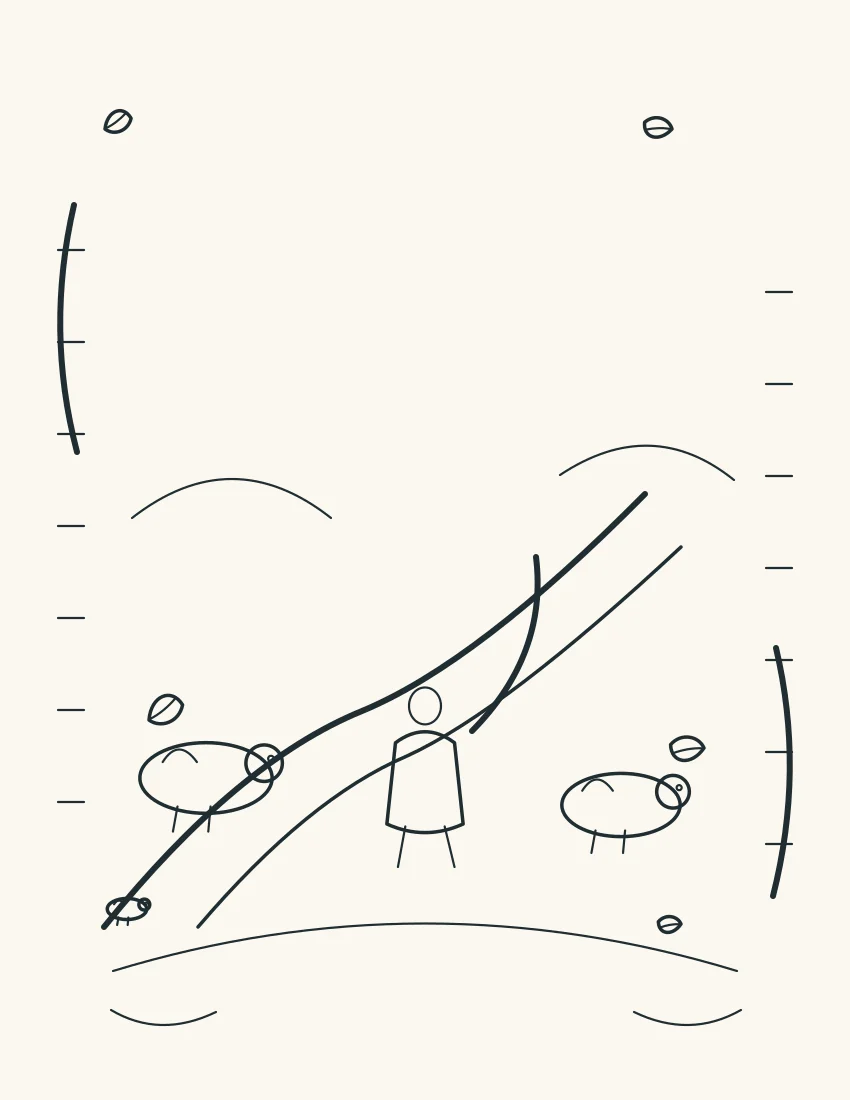
Sheet 01 of 8
Shepherd and path
Psalm 23:1
The poem begins with a shepherd image: the speaker is cared for and does not face the road alone.
Psalm 23 opens as a trust poem using the daily work of a shepherd as its first picture of care.
Reflect: Invite the adult to notice where the path, sheep, and shepherd show attention without asking for a personal story.
Optional question: What details show care in this picture? You may point, color, draw, or pass.
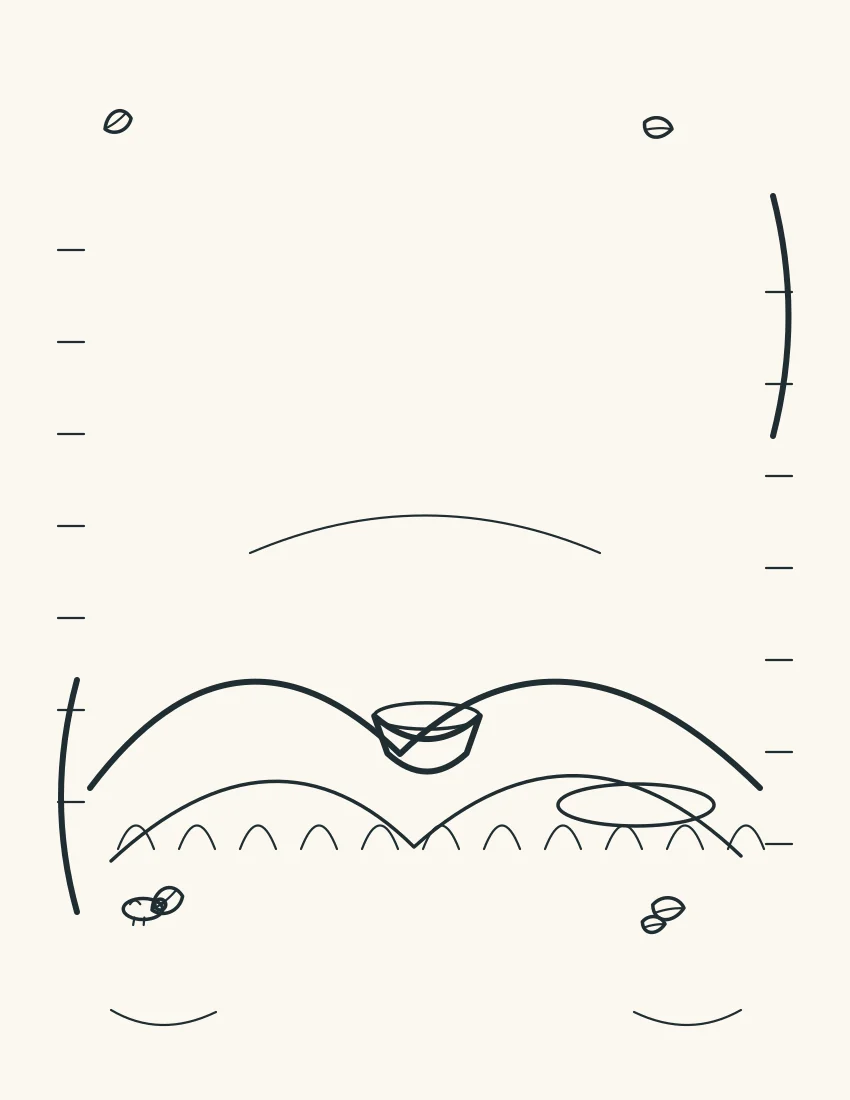
Sheet 02 of 8
Green rest
Psalm 23:2a
The poem pictures a place where the flock can pause, eat, and receive care.
The green field is pastoral poetry, an image of nourishment and an unhurried place to pause.
Reflect: Notice spacious lines and ordinary care. A child can color, listen to the reading, or choose another sheet.
Optional question: Where could the picture be quiet or spacious? Choose a color, listen, or pass.
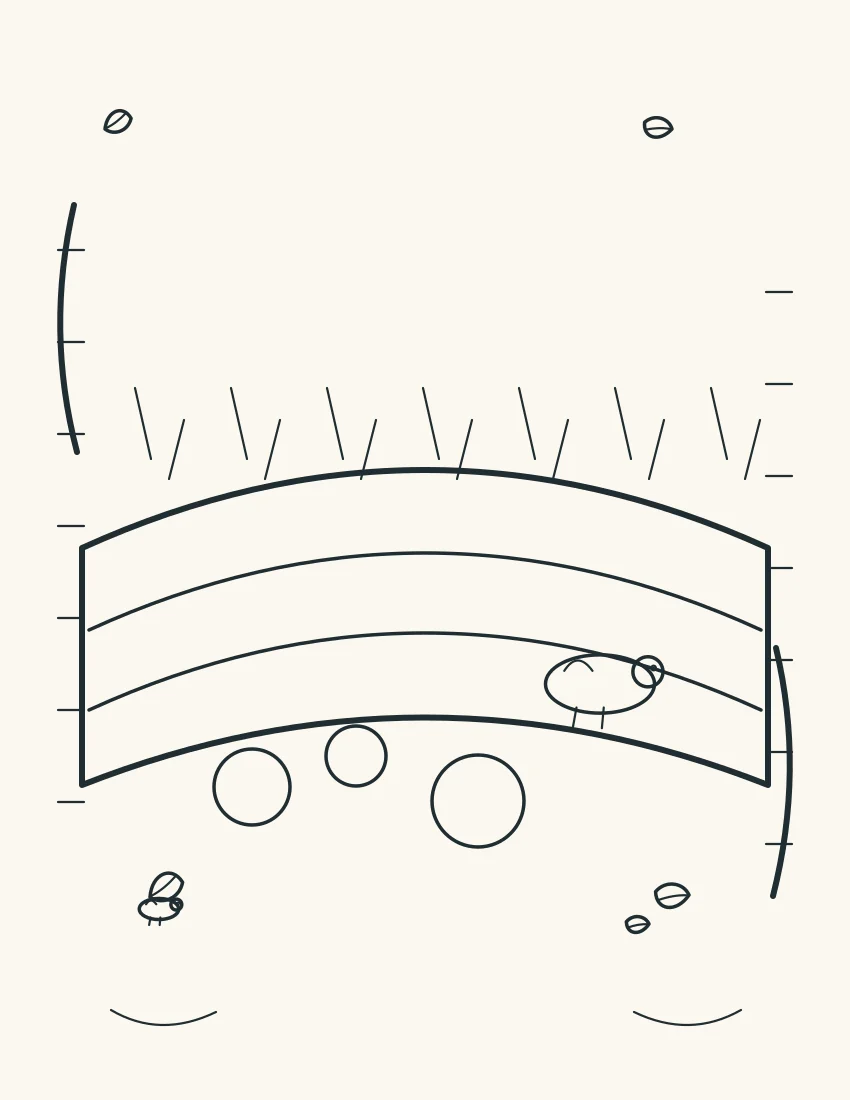
Sheet 03 of 8
Quiet water
Psalm 23:2b
The poem uses quiet water as a picture of refreshment and attentive care.
Still water gives the shepherd poem a second image of provision, without promising that every day stays still.
Reflect: Let the adult trace the open water lines aloud. Drawing a different landscape or passing is equally available.
Optional question: What lines make the water look gentle? You may trace them or choose another response.
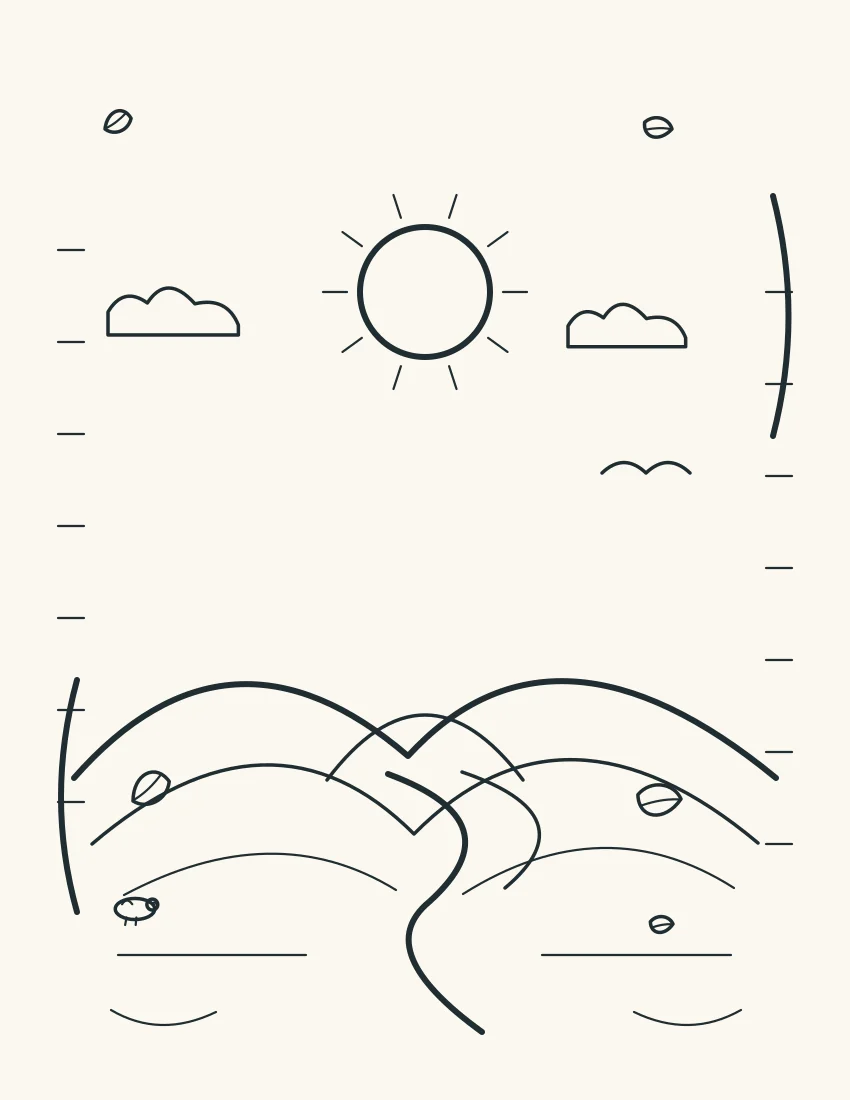
Sheet 04 of 8
Restored path
Psalm 23:3
The shepherd poem says the tired person is renewed and led along a trustworthy path.
The poem moves from rest toward a path, showing guidance as a relationship rather than a shortcut.
Reflect: Follow the path with a finger or describe its direction. No answer, caption, or finished drawing is required.
Optional question: Which way does the path travel? You may follow it, draw another path, or pass.
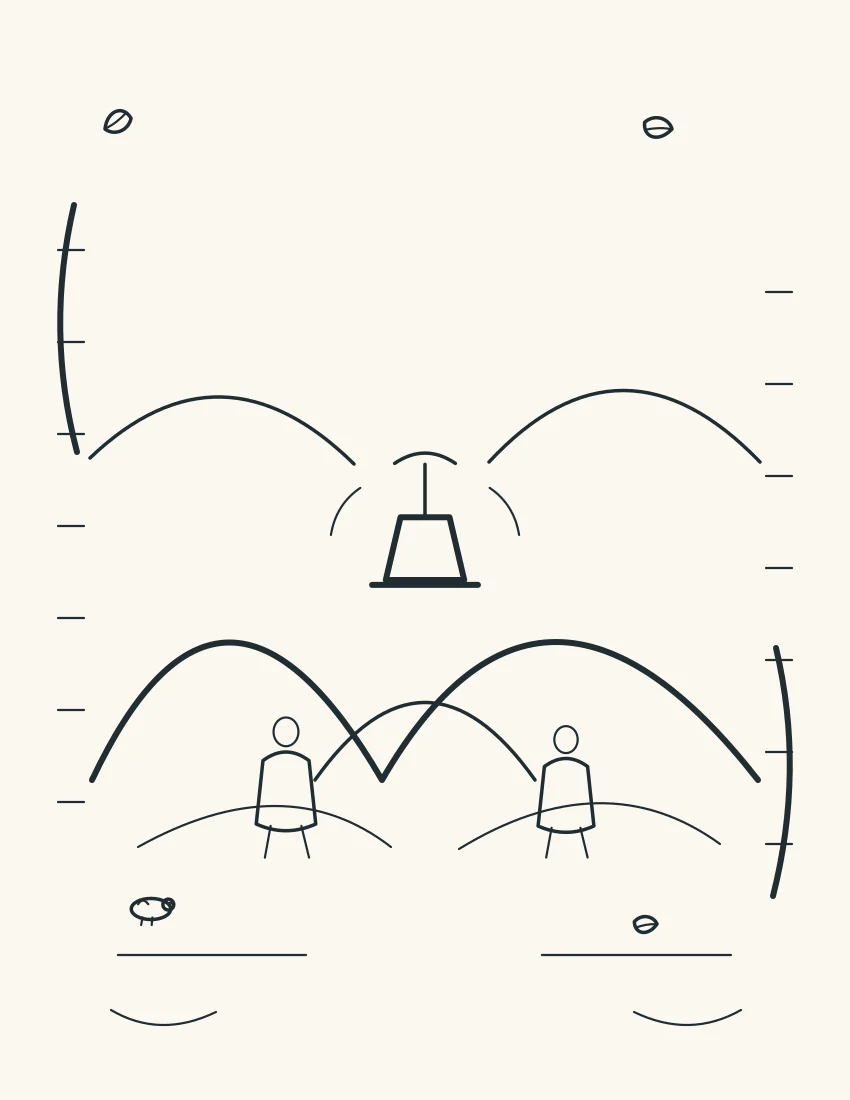
Sheet 05 of 8
Valley companion
Psalm 23:4
The poem names a dark valley but says the speaker is not abandoned there.
Psalm 23 keeps a valley in view. Its comfort is presence in a hard place, not a claim that hard places are imaginary.
Reflect: An adult may preview this scene and offer a meadow or neutral drawing if grief or fear makes it a poor fit today.
Optional question: The poem includes a hard place and a companion. You may notice the path, choose a different sheet, or pass.
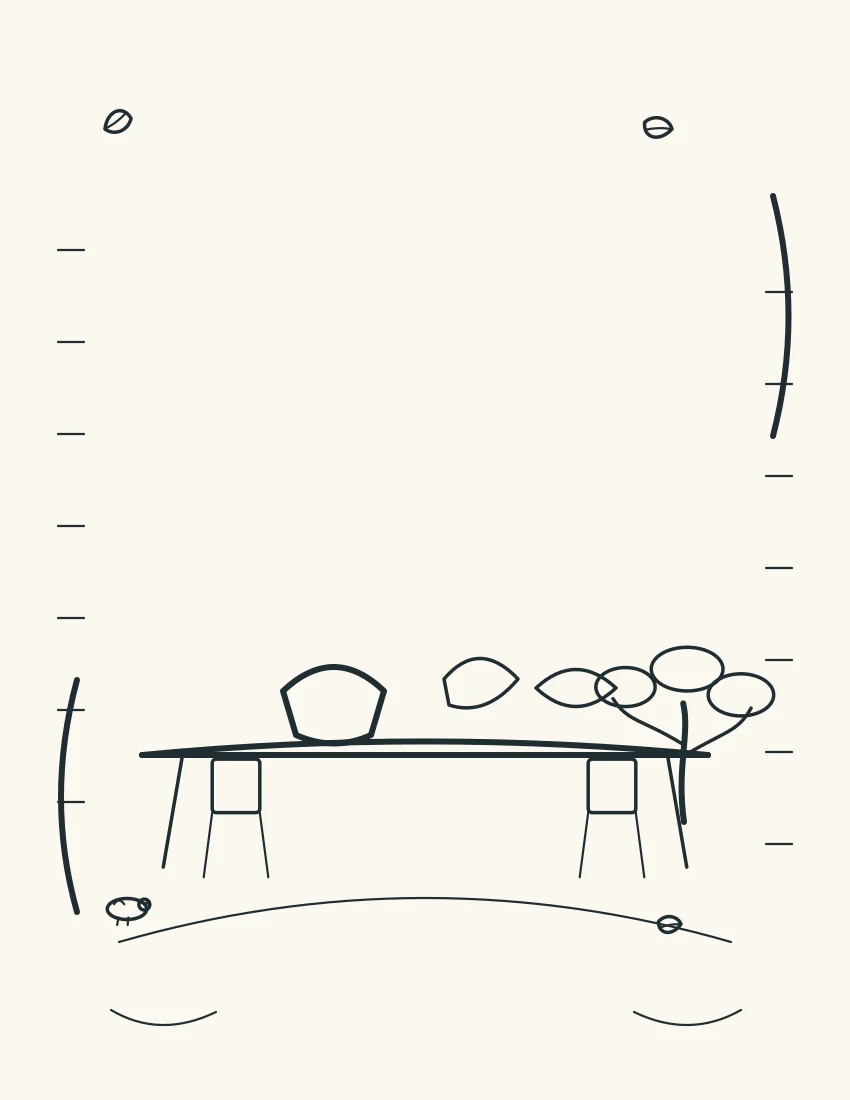
Sheet 06 of 8
Welcoming table
Psalm 23:5a
The poem changes to a table: welcome and nourishment can be offered even when trouble is nearby.
The table image follows the valley and gives hospitality a place in the poem's changing landscape.
Reflect: Keep answers fictional and observable. An adult can name welcome without asking a child to identify a real conflict.
Optional question: Who might be welcomed at this table in a story? Use a fictional answer, draw, or pass.
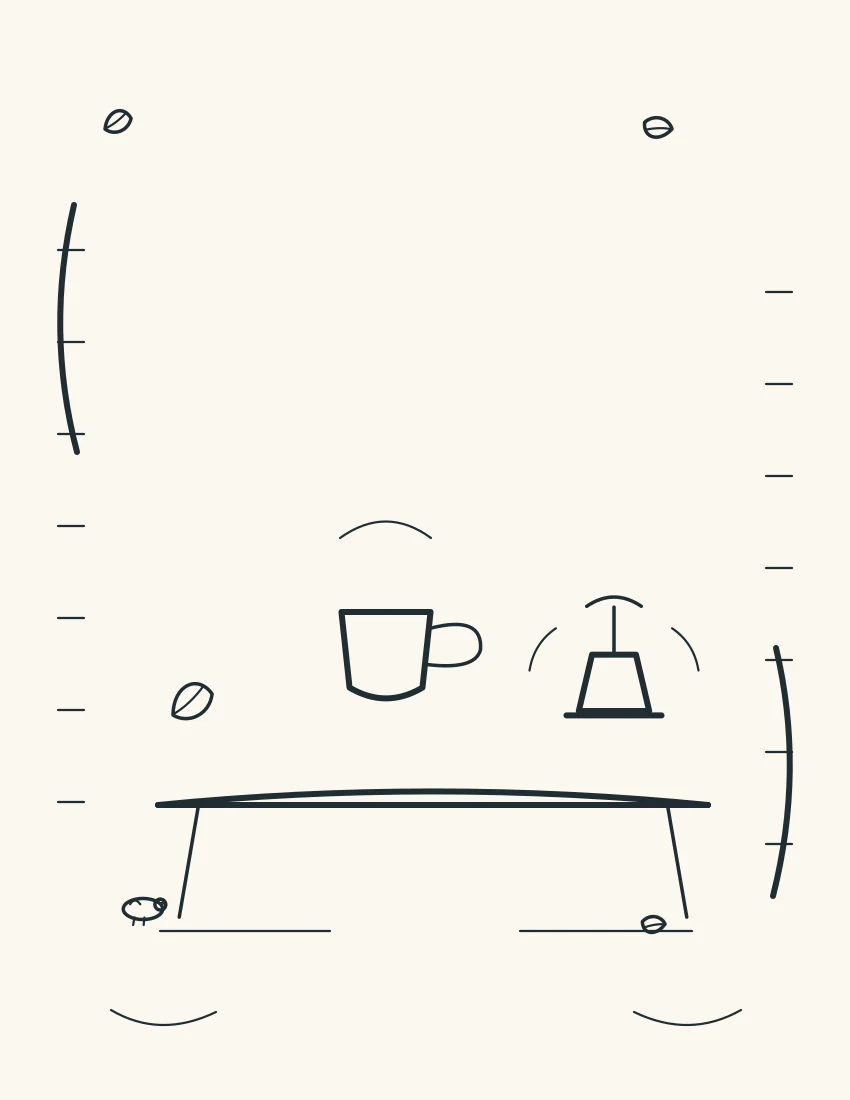
Sheet 07 of 8
Cup and care
Psalm 23:5b
The overflowing cup is poetic language for generous care, not a promise of more possessions.
A cup can signal welcome in the poem. Read it as poetic abundance, not a contract for wealth or ease.
Reflect: Invite listening to the explanation, coloring, or a pass. The adult keeps the reference and context visible below the art.
Optional question: What could the cup represent in the poem? You may listen to the explanation, color, or pass.
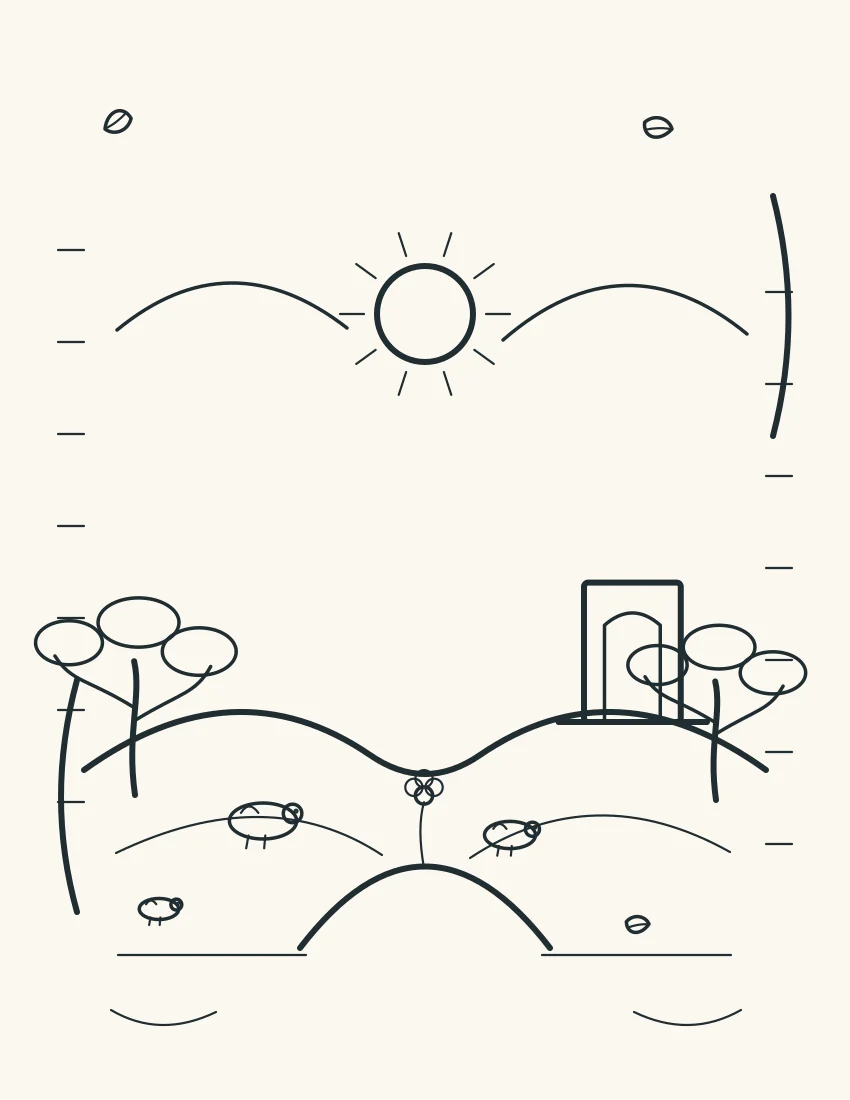
Sheet 08 of 8
Goodness on the road
Psalm 23:6
The poem ends by imagining goodness and mercy traveling with the speaker toward a lasting home with God.
The final image gathers the poem's movement into a hope of belonging, not a promise of a perfect ending.
Reflect: Compare the first path and this road. A child may draw, listen, point, or pass without displaying the finished page.
Optional question: What changes between the first path and this road? You may compare pictures, draw, or pass.
Collection download
The complete collection PDF is available alongside this gallery. Each sheet above also has its own noindex PDF attachment.
References, paraphrases, and reflections stay below the image so the artwork never carries essential instructions or Scripture text.
Read the whole poem
Section 01
Psalm 23 is a poem of trust and companionship. Shepherding images show care, rest, guidance, a valley, a table, and homecoming. Read the Psalm in full before choosing one scene.
The line about not wanting is not a promise of wealth. The valley belongs in the reading rather than being removed from it.
Use one sheet
Section 02
Place the sheet, a thick crayon or pencil, and the open Bible where an adult can remain present. Say, You may color, listen, point, draw your own setting, or pass.
Name an observable detail, such as the path curving toward water. Do not ask a child to explain a private experience.
Keep the valley honest
Section 03
The valley scene uses a clear path, a lantern, and white space. It names a hard place and God's presence without saying that hard places are imaginary.
Preview the scene. Offer the meadow, water, or a neutral drawing if grief or fear makes the valley a poor fit today.
Adapt the response
Section 04
For CL, read one line and let the child choose colors or listen. For ER, match an image to its reference and dictate one sentence. For IR, offer the context question and a blank drawing space.
For CG, display the sequence and allow silent work, partner narration, AAC, movement, tracing, or observation. Never collect a public valley story.
Close with a choice
Section 05
Ask, What detail from the poem would you like to notice again? A child may say it, draw it, listen, move, or pass.
An adult may offer a short prayer for noticing God's care and caring for one another. Do not ask for a promise that nothing difficult will happen.
Care boundary
The first two lines are words you can say. The third is your own next step.
Stop · words to say
You do not have to keep going. We can stop, move, get water, or sit with a trusted adult.
Adapt · words to say
You can listen while I read, draw, move, keep your eyes open, use AAC, or pass.
Get help · your next step
If distress persists or a child may be unsafe, contact a trusted adult, qualified professional, safeguarding lead, or local emergency service.
Sources
| Publisher | What it supports | Checked |
|---|---|---|
| World English Bibleebible.org | Reference-only Scripture reading and public-domain rights context. | 2026-08-03 |
| World English Bible permissionsebible.org | Translation and quotation policy for any future exact wording. | 2026-08-03 |
| BibleProject guide to Psalmsbibleproject.com | Book context used to review the passage's literary movement. | 2026-08-03 |
| W3C WCAG 2.2w3.org | Accessible HTML, contrast, focus, and text alternatives. | 2026-08-03 |
Frequently asked questions
- Are these exact Bible verses?
- No. Each sheet gives a Scripture reference and an original paraphrase so an adult can read the family's permitted translation. If exact World English Bible wording is added, its attribution and rights record must ship with it.
- Should I use the valley page with a grieving child?
- Only after an adult previews it and the child wants it. The valley scene can be skipped without explanation. Offer a meadow, water, path, or neutral drawing page, then follow the family's support plan.
- Does Psalm 23 promise that nothing difficult will happen?
- No. It is a poem about God's shepherding presence through changing places, including a valley. Adults should seek practical safety and qualified support when a child is in danger or ongoing distress.
- Can a group display the finished drawings?
- Ask each child privately and follow the host organization's policy. A child may keep a drawing private, use it as a quiet activity, or pass. Display is never part of completing this resource.
- What is included in the download?
- The direct collection has a cover, eight numbered sheets, and a Sources and rights page, plus a low-ink export and individual noindex attachments. The HTML carries the same references, paraphrases, prompts, alt text, and adult notes without a gate.
Sabbath Meditation
Sabbath Meditation makes Scripture-rooted meditations for adults. Nothing here requires it.
Read what Sabbath is →