

The sheet gallery
Eight peaceful Ephesians symbols
Read Ephesians 6:10-18 in context. Each sheet translates one image into an everyday object with a reference, paraphrase, context, and adult prompt.
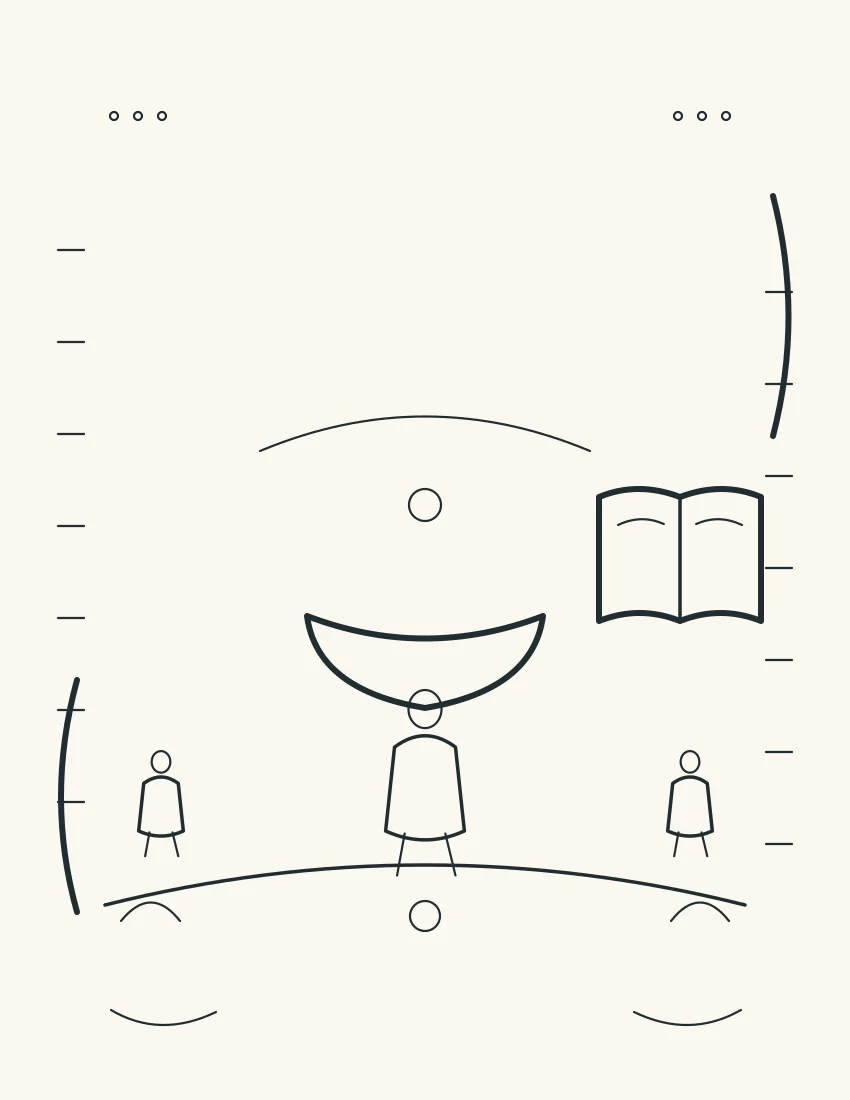
Sheet 01 of 8
Belt of truth
Ephesians 6:14
Truth can hold a person together so words and actions are honest and dependable.
The armor image becomes a cloth sash and notebook, familiar objects for honest words.
Reflect: Use an invented example and let the adult model clarity. A child can color, listen, or pass.
Optional question: Where could a truthful word make a situation clearer? You may invent a fictional example, color, or pass.
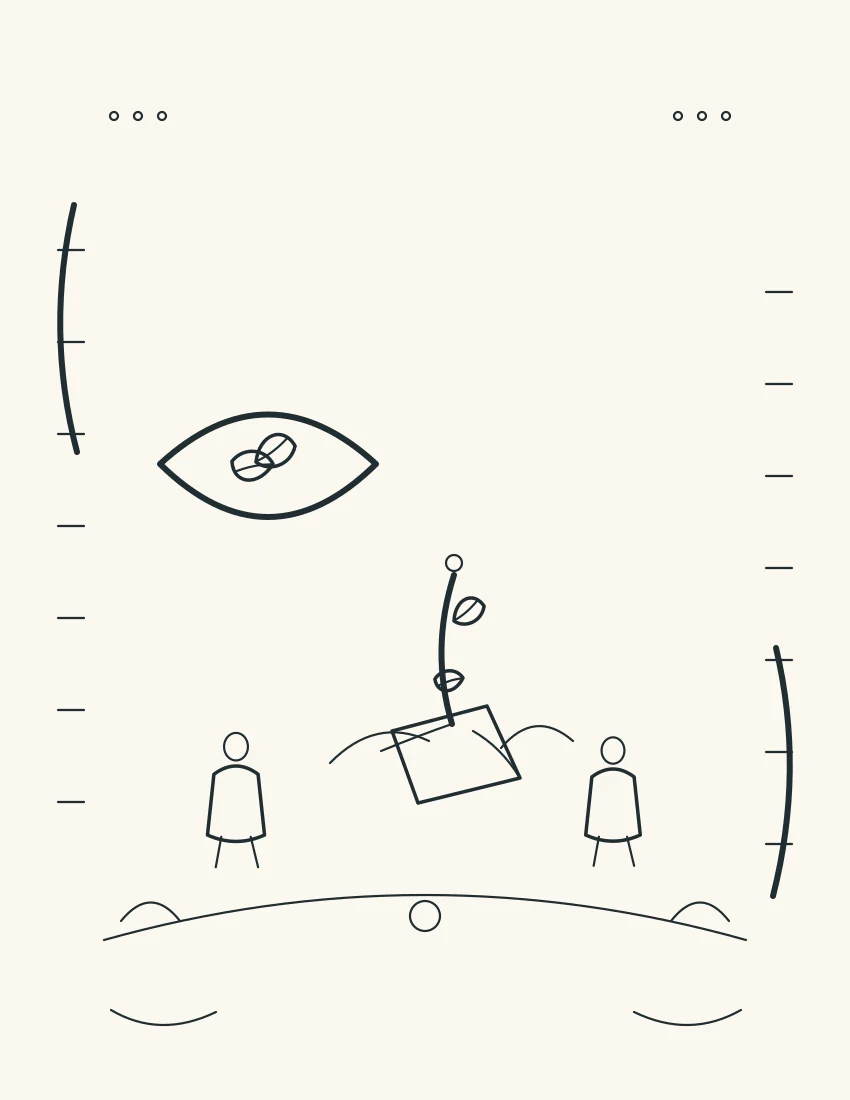
Sheet 02 of 8
Chest panel of right action
Ephesians 6:14
Right action can help protect a community when it includes fairness, mercy, and repair.
The protective image becomes a repair panel, connecting right action with care.
Reflect: Notice the visible repair and let the adult offer a choice. A child may point, draw, listen, or pass.
Optional question: What repair is visible in this fictional scene? You may point, draw, listen, or pass.
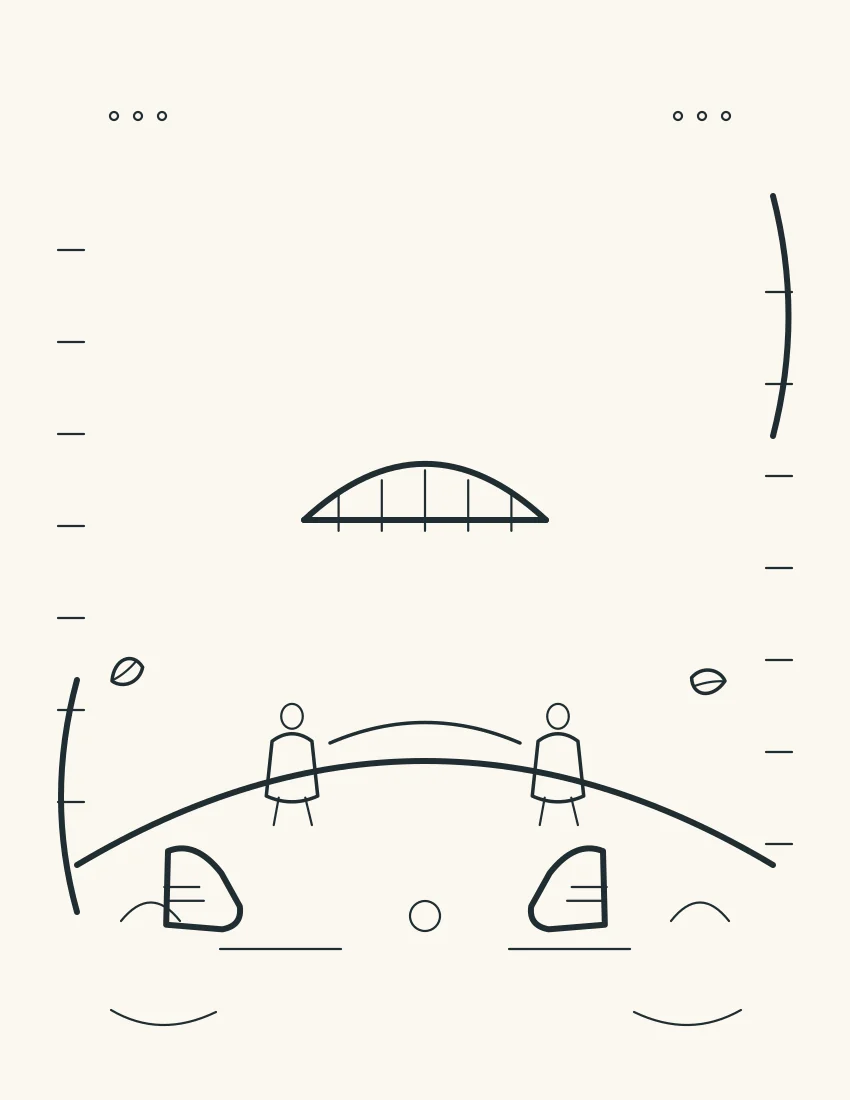
Sheet 03 of 8
Shoes of peace
Ephesians 6:15
Peace makes a person ready to move toward reconciliation, safety, and good news.
Soft shoes make readiness concrete: moving toward peace while listening for consent.
Reflect: Trace the open path or choose another response. A child may color, use AAC, or pass.
Optional question: Where does this path make room? Trace it, choose colors, use AAC, or pass.
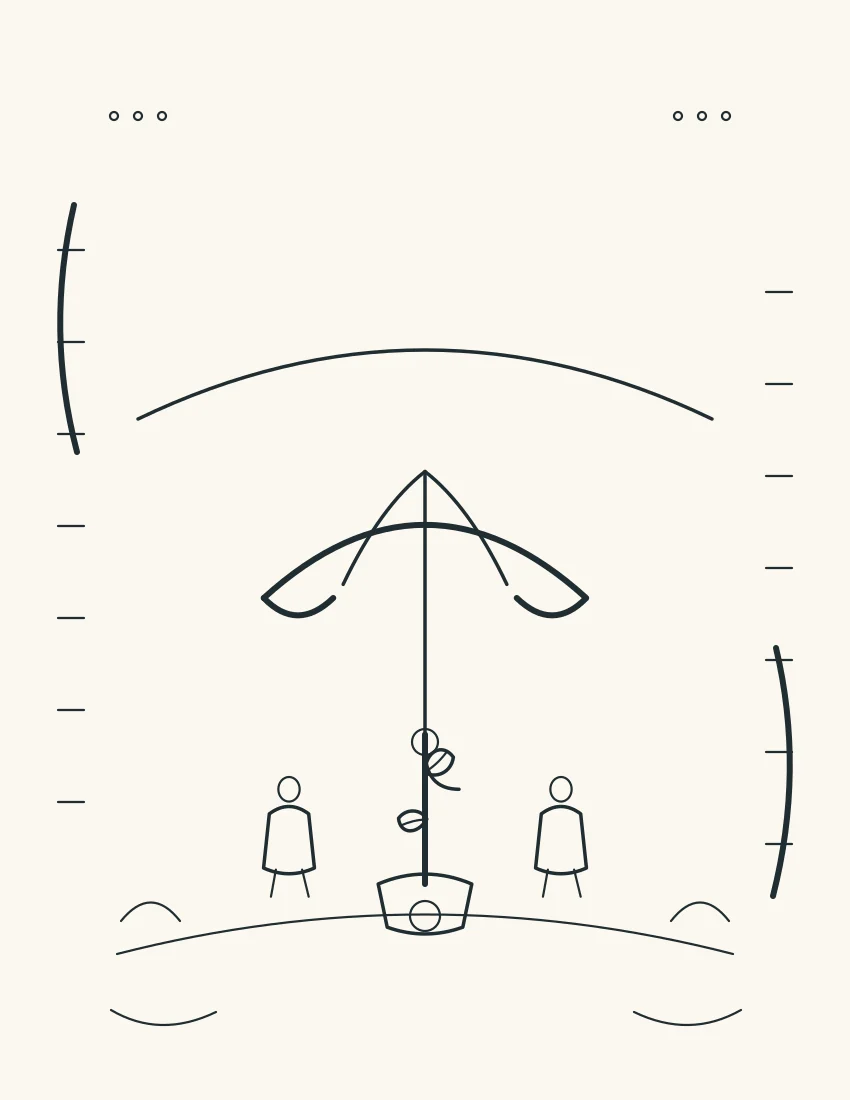
Sheet 04 of 8
Shield of faith
Ephesians 6:16
Faith can help someone stand with trusted people when fear or hurt arrives.
The umbrella makes faith a picture of shared shelter and trusted support.
Reflect: An adult can name real helpers; coloring, listening, AAC, and passing all fit.
Optional question: Who or what can offer wise support in this fictional picture? Adults name real helpers; children may color or pass.
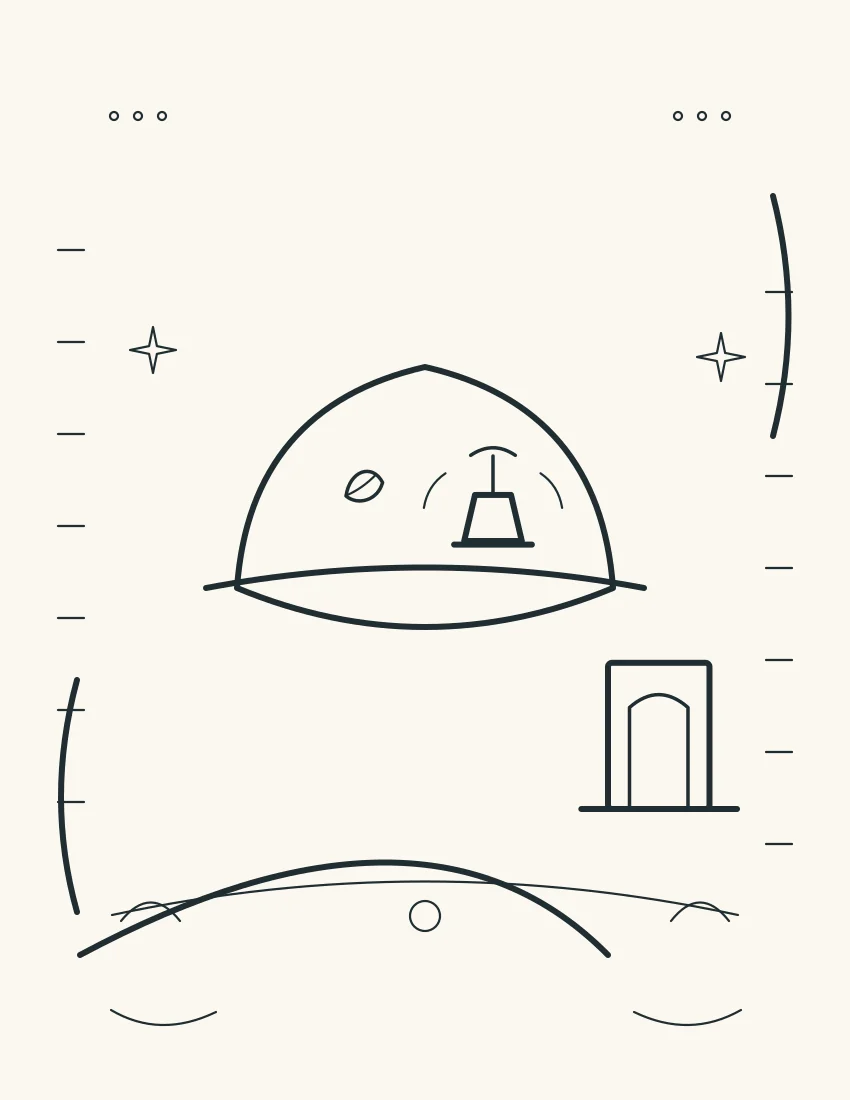
Sheet 05 of 8
Helmet of salvation
Ephesians 6:17
Salvation is God's rescue and belonging; the helmet image points to a mind held by hope.
The open doorway makes salvation a picture of belonging and hope.
Reflect: Treat the doorway as a story image and invite listening, drawing, pointing, AAC, or passing.
Optional question: What could the open doorway mean in this story? You may listen, draw, point, or pass.
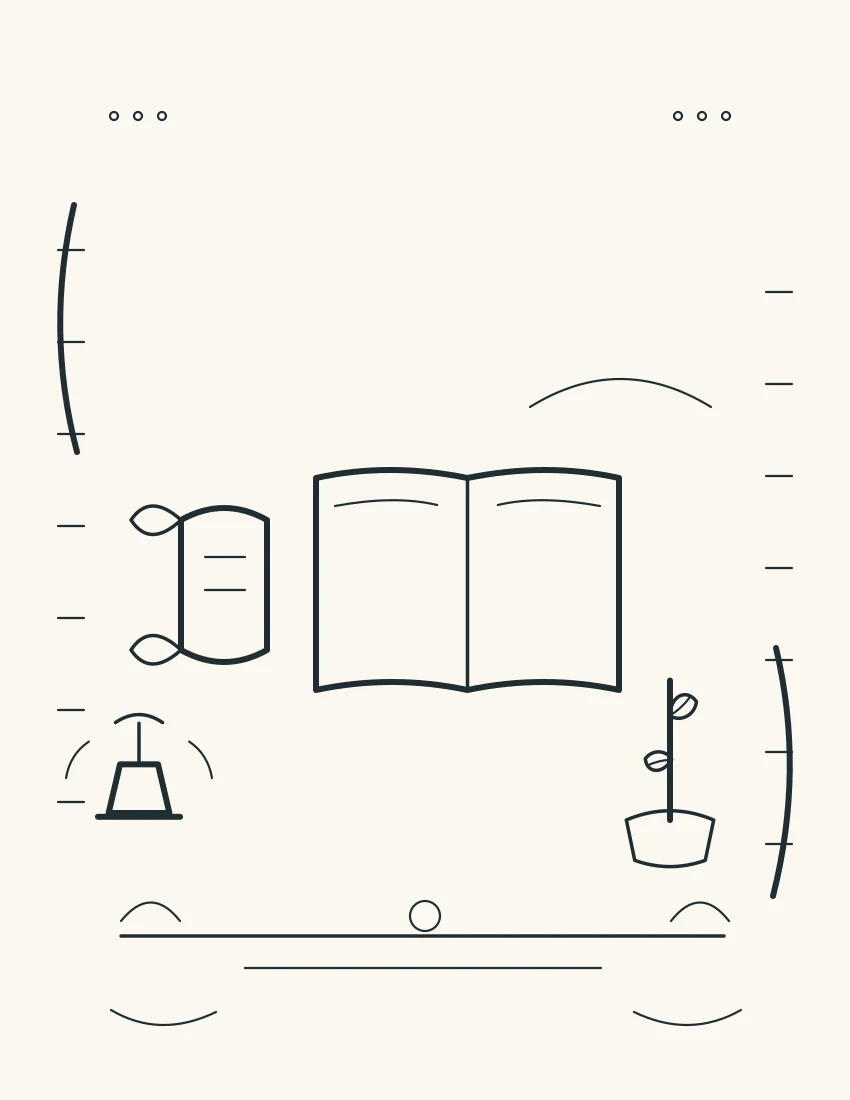
Sheet 06 of 8
Word of the Spirit
Ephesians 6:17
Scripture can guide truthful, gentle action when a community reads it with care.
The text image points to Scripture read with context and wisdom.
Reflect: Let an adult model reading before acting. A child can point to a shape, listen, or pass.
Optional question: What might a careful reader notice before acting? You may point to a shape, listen, or pass.
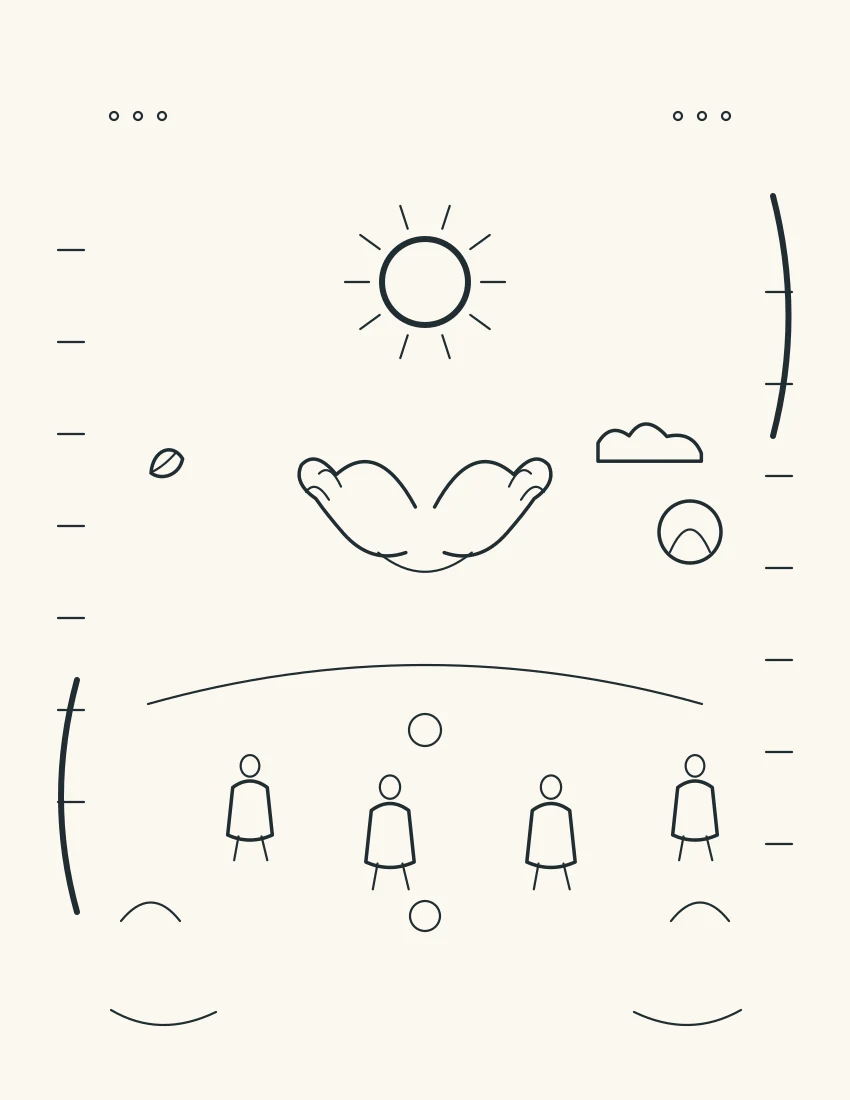
Sheet 07 of 8
Prayer in every season
Ephesians 6:18
Prayer can be an ongoing conversation and care for others in every season.
The closing instruction brings prayer into the whole metaphor and leaves posture and words open.
Reflect: Offer open eyes, movement, AAC, quiet, or a pass. Prayer remains optional and adult-mediated.
Optional question: What kind of help or gratitude could an adult hold in prayer? You may listen, use AAC, keep eyes open, or pass.
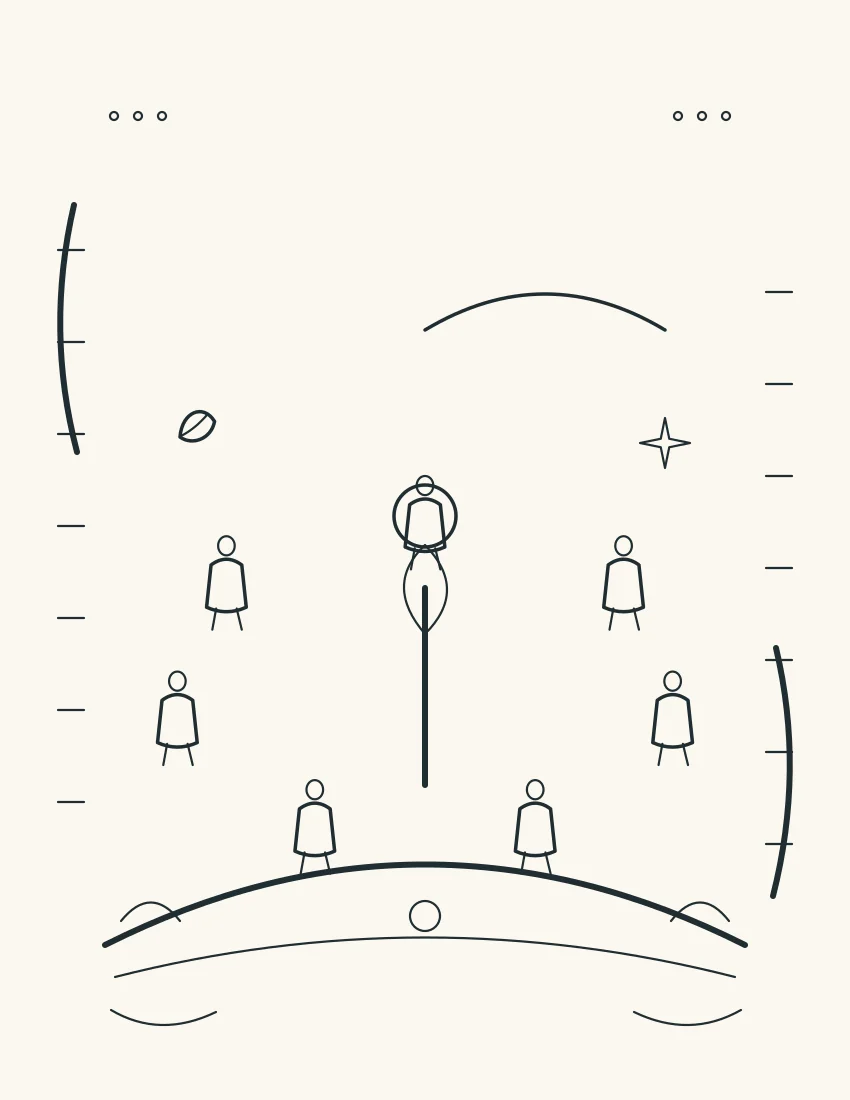
Sheet 08 of 8
Whole peaceful community
Ephesians 6:10-18
The whole picture invites a community to stand together in truth, peace, faith, Scripture, and prayer.
The community circle gathers the symbols around shared prayer and an open path.
Reflect: Invite one fictional, observable practice; a child may choose, listen, or pass.
Optional question: Which peaceful practice could a group try today? Choose one, invent a fictional idea, or pass.
Collection download
The complete collection PDF is available alongside this gallery. Each sheet above also has its own noindex PDF attachment.
References, paraphrases, and reflections stay below the image so the artwork never carries essential instructions or Scripture text.
Read the metaphor in context
Section 01
Ephesians 6:10-18 asks readers to stand firm in God. Its images point toward truth, right action, readiness for peace, faith, salvation, Scripture, and prayer, not physical combat.
Read the whole paragraph and explain that a child's safety and dignity come before finishing a picture.
Translate symbols into practice
Section 02
The collection uses a sash, a repair panel, soft shoes, an umbrella, a lamp, an open book, prayer symbols, and a community circle. Each object offers one observable practice.
Adults can name telling the truth, repairing harm, seeking help, making room, reading wisely, or praying freely without promising protection from every event.
Stand firm with care
Section 03
Faith does not require a child to stay with a bully, accept abuse, keep a dangerous secret, or forgive on command. Move to safety and tell a trusted adult when harm appears.
The metaphor can encourage courage and community while practical safety plans remain the authority.
Adapt for access
Section 04
For CL, choose one object and let the child color large shapes. For ER, match each symbol to a short adult paraphrase. For IR, compare two symbols that work together and write a fictional example.
For CG, display the sequence without ranking strength. Offer movement, AAC, tracing, stickers selected by an adult, partner narration, or observation. No child has to wear a costume.
Close with consent
Section 05
Ask, Which peaceful practice could help a group today? A child may point, draw, listen, move, use AAC, or pass.
An adult can offer a brief prayer for truth, peace, and help. Ask privately before displaying work and never require a pledge or public testimony.
Care boundary
The first two lines are words you can say. The third is your own next step.
Stop · words to say
You do not have to keep going. We can stop, move, get water, or sit with a trusted adult.
Adapt · words to say
You can listen while I read, draw, move, keep your eyes open, use AAC, or pass.
Get help · your next step
If distress persists or a child may be unsafe, contact a trusted adult, qualified professional, safeguarding lead, or local emergency service.
Sources
| Publisher | What it supports | Checked |
|---|---|---|
| World English Bibleebible.org | Reference-only Scripture reading and public-domain rights context. | 2026-08-03 |
| World English Bible permissionsebible.org | Translation and quotation policy for any future exact wording. | 2026-08-03 |
| BibleProject guide to Ephesiansbibleproject.com | Book context used to review the passage's literary movement. | 2026-08-03 |
| W3C WCAG 2.2w3.org | Accessible HTML, contrast, focus, and text alternatives. | 2026-08-03 |
Frequently asked questions
- Why avoid swords and battle scenes?
- Ephesians uses armor imagery, but children are not asked to fight people. These pages keep the metaphor focused on truth, peace, faith, Scripture, prayer, and community without militarizing a child's faith.
- Does stand firm mean staying in an unsafe situation?
- No. A child should move to safety, tell a trusted adult, and use local safeguarding or emergency support. Faith never requires tolerating abuse, bullying, coercion, or a dangerous secret.
- Are the page captions exact Bible text?
- No. Each sheet gives an Ephesians 6:10-18 reference and an original paraphrase. Exact World English Bible wording, if added, needs its attribution and rights record and must be labelled accurately.
- Can children wear a homemade armor costume?
- The printable does not require one. If a group chooses symbolic props, use soft, non-weapon objects and an adult-reviewed consent plan. Never stage a battle, chase, restraint, or unsafe movement.
- What is in the download?
- The direct collection includes a cover, eight numbered sheets, and a Sources and rights page, plus a low-ink variant and individual noindex attachments. The HTML remains complete without a download or an account.
Sabbath Meditation
Sabbath Meditation makes Scripture-rooted meditations for adults. Nothing here requires it.
Read what Sabbath is →